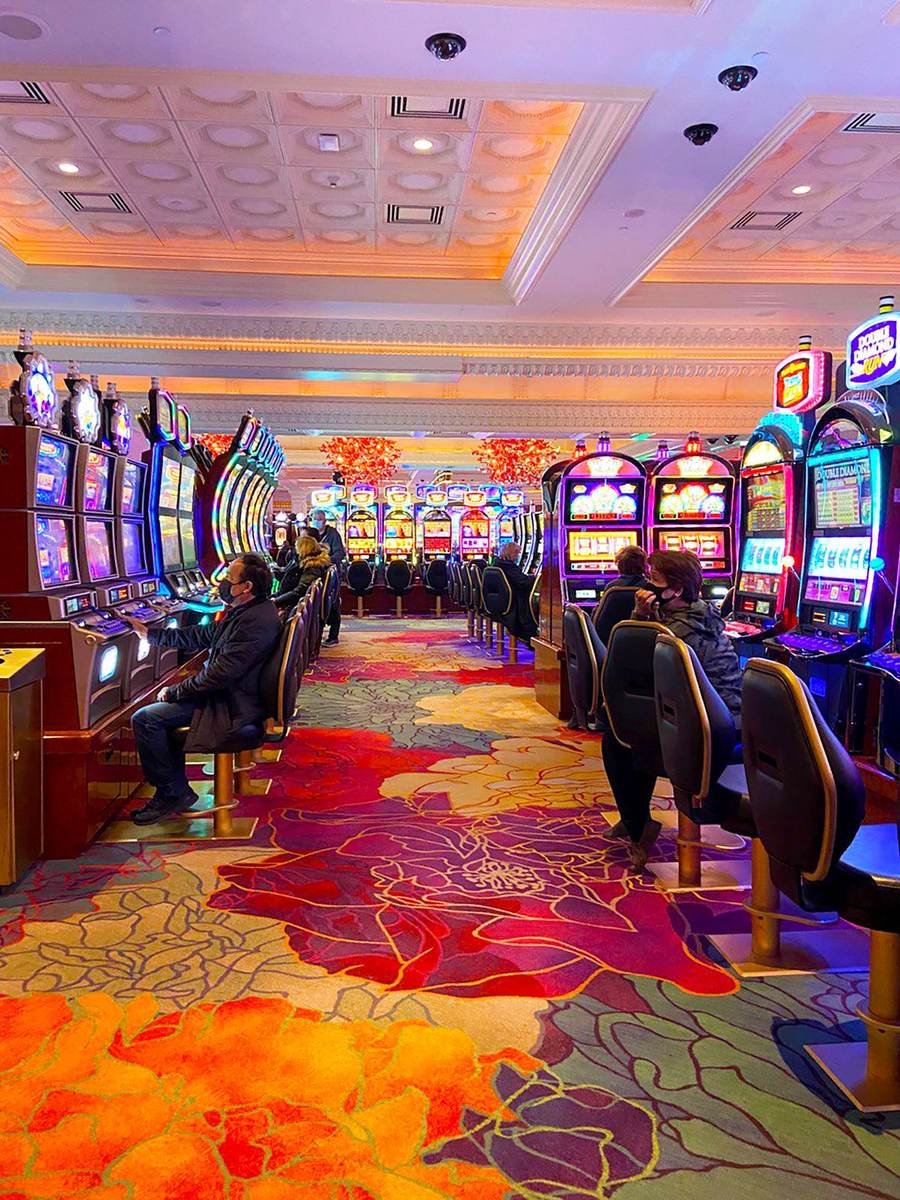
The first time I seriously asked myself why are casino carpets so ugly, I was standing in the middle of a casino floor in Las Vegas at half past midnight, and I honestly couldn’t tell whether the floor was swirling or I was. Above me, everything glittered — chandeliers, neon, a ceiling painted like a Mediterranean sky. Below me, chaos: a psychedelic riot of crimson, teal, purple, and gold, tangled in swirls and geometric shapes that looked like they’d been designed by a committee of sugar-rushed toddlers. I’d walked over casino floors a hundred times before, but that night I actually stopped and stared. How do billion-dollar resorts — places that spend fortunes on marble lobbies and designer chandeliers — end up with the most hideous flooring on the planet?
Turns out I’m far from the first person to wonder. If you’ve ever typed why are casino carpets so ugly into Google at 2 a.m., you’ve joined a small army of curious travelers, designers, and forum regulars who’ve all had the exact same thought while standing on a carpet that looked like a magic-eye puzzle. Some people think casinos just have terrible taste. Others assume it’s a cost thing. A few are convinced it’s some kind of psychological warfare. And here’s the fun part: it’s a little bit of all three — plus some reasons I never saw coming.
So I went down the rabbit hole. I read design books, designer interviews, and more forum threads than I care to admit, all to answer one gloriously silly question. What I found genuinely changed how I see casino floors — and honestly, how I think about design itself. Buckle up, because those ugly carpets are a lot smarter than they look.
Table of Contents
Why are casino carpets so ugly? The Short Answer
The short answer to why are casino carpets so ugly is this: the ugliness is deliberate, expensive, and deeply researched. Casino carpets are designed by specialists who charge serious money, and every swirl, clash of color, and headache-inducing pattern serves a purpose. Broadly, there are four reasons: to keep your eyes up on the games, to hide a truly shocking amount of dirt and damage, to keep you stimulated and awake, and to quietly steer your feet where the casino wants them. None of it is an accident. Not one swirl.
I know, it sounds like a conspiracy theory invented by someone who lost too much at blackjack. But casino design is one of the most studied corners of commercial interior design on earth. These companies spend millions on research into how color, pattern, light, and layout affect the way you feel and — crucially — how long you stay. The carpet is just the most visible, most meme-worthy part of a much bigger machine. So let’s walk through each reason, one glorious ugly swirl at a time.
The Eyes-Up Rule: A Boring Floor Would Steal the Show
Here’s the first thing to understand about why are casino carpets so ugly: on a casino floor, the games are the stars, and everything else is the supporting cast. Slot machines are designed to be the brightest, flashiest, most eye-catching objects in the room. They blink, they chime, they flash animations of coins exploding. Now imagine laying those machines on top of a calm, elegant, tasteful carpet — say, a soft beige with a subtle border. What happens? Your eyes drift down. The floor becomes pleasant to look at, which is exactly what the casino does not want.
An aggressively ugly carpet solves this beautifully. It’s so visually loud — loud in a bad way — that your brain quickly files it under “ignore” and looks up instead, straight at the glowing rows of games. Designers call this creating visual hierarchy, and the carpet deliberately sits at the very bottom of it. It’s the visual equivalent of elevator music: present, unremarkable, and engineered not to hold your attention for a second longer than necessary. The ugliness isn’t a failure of taste — it’s taste working exactly as intended.
Built to Survive: A Million Feet and a Thousand Spills
The second answer to why are casino carpets so ugly is the most practical one, and honestly, it’s the one I respect the most. Think about what a casino floor endures in a single day. Tens of thousands of visitors, many of them carrying drinks, many of them smoking, many of them dropping food, ash, and worse onto the floor at 3 a.m. A light-colored, simple carpet in that environment would look like a crime scene within a week. And replacing casino carpet is a massive, expensive operation — it means shutting down sections of a gaming floor, which is the last thing any casino wants to do.
Dark, busy, multicolored patterns are camouflage. A cigarette burn disappears into a swirl of burgundy and gold. A spilled cocktail blends into a splash of teal. Dropped chips, scuff marks from a thousand shoes, mystery stains of unknown origin — all of it vanishes into the visual noise. Maintenance crews genuinely love these carpets because the chaos hides wear between deep cleanings, which means the floor looks “fine” for years instead of weeks. It’s the same reason your grandmother’s floral sofa survived decades of family life: busy patterns are nature’s stain concealer.
Stimulation on Purpose: Bright Patterns Keep You Playing
Now we get to the psychological side of why are casino carpets so ugly, and this is the part that genuinely fascinated me. Those loud colors and restless patterns aren’t just hiding stains — they’re keeping you awake. Bright, warm, high-energy designs are stimulating. They raise your energy level, keep your eyes moving, and make a space feel exciting rather than restful. Compare it to a luxury hotel bedroom: soft neutrals, calm textures, everything designed to slow you down and make you sleepy. A casino wants the exact opposite. Sleepy players go to bed. Stimulated players pull one more lever.
As BetMGM’s piece on the psychology behind ugly casino carpets explains, there’s real intent behind the sensory overload — the patterns are part of an environment engineered to keep your senses engaged and your energy up. It’s the same reason the lighting is warm, the music has a beat, and the air smells faintly of something pleasant. The carpet is doing its shift alongside everything else, whispering “stay awake, stay excited, stay right here” to your brain without you ever noticing.
Disorientation by Design: Losing Track of Time and Place
There’s a sneakier answer to why are casino carpets so ugly, and it has to do with losing your bearings — in the most profitable way possible. Casino floors famously avoid anything that anchors you in time or space: no windows, no clocks, maze-like layouts, and carpets with swirling, directionless patterns that give your eyes nothing to lock onto. Without visual landmarks on the floor, it’s harder to orient yourself, harder to judge distance, and much easier to wander “just a little further” past another row of slots you hadn’t meant to visit.
It works hand in hand with the rest of the casino’s timelessness tricks — the same design philosophy behind why casinos don’t have clocks. When you can’t see the sky, can’t find a clock, and can’t even follow a straight line on the floor, time starts to feel elastic. Was that twenty minutes or two hours? The carpet doesn’t know, and it’s not telling. By the time you find the exit, the casino has had hours of your company — which was the plan all along.
Wayfinding: The Patterns Are Secretly Giving You Directions
Here’s the twist that surprised me most: for all their chaos, casino carpets are also a quiet navigation system. Designers use changes in carpet pattern and color to mark zones — the pattern shifts when you move from the high-energy slot floor to a restaurant entrance, a hallway, or a quieter lounge area. Busy, loud patterns scream “the action is here,” while calmer sections signal transition spaces. Regulars learn these cues unconsciously; they just “feel” where the gaming floor ends and the rest of the resort begins.
Staff use it too. Ever noticed how quickly security or a cocktail server seems to know exactly where they are on an enormous floor? The carpet zones are landmarks for the people who work there, even if visitors only register them as background noise. So the same swirls that disorient you as a guest are orienting the staff. It’s a two-way system hiding in plain sight — which, the more I think about it, might be the cleverest thing about the whole ugly-carpet business.
Bill Friedman and the Rules That Built Modern Casino Floors
You can’t talk about casino design without talking about Bill Friedman, the former gambling executive turned design guru whose book “Designing Casinos to Dominate the Competition” basically wrote the rulebook. Friedman himself never sat down to answer why are casino carpets so ugly, but his philosophy explains them perfectly: low ceilings over gaming areas, maze-like layouts with no long sightlines to exits, gambling equipment itself as the decor. Every design choice should serve the games, and nothing should distract from them or give players a reason to leave.
Friedman’s big insight was that casinos aren’t architecture — they’re machines for keeping people engaged, and every surface is part of the machine. The carpet fits perfectly: visually subordinate to the games, durable enough to survive the machine’s workload, stimulating enough to keep the machine’s users alert. Later designers have argued with Friedman about plenty — some newer resorts deliberately break his rules — but walk across any classic Vegas floor and you’re walking through his ideas, one garish swirl at a time.
Famous Examples: The Gaudiest Floors in Las Vegas
If you want to see the “why are casino carpets so ugly” phenomenon in its purest form, you don’t have to look far. Caesars Palace is legendary for its carpets woven with wheel motifs, chariot wheels, and Roman-inspired medallions — busy, bold, and absolutely committed to the theme. Circus Circus went even louder, with carnival-bright patterns that match its big-top energy. The older downtown casinos have floors that look like they were designed during a particularly vivid dream. These carpets have become attractions in their own right; there are entire photo galleries and social media accounts devoted to documenting the wildest ones.
My favorite detail? Some of these carpets are genuinely famous among design nerds. People plan trips around seeing them. There’s something wonderful about a design choice so bold — so aggressively, confidently ugly — that it becomes iconic. The casinos could have chosen safe and tasteful. Instead they chose unforgettable, and decades later, we’re still talking about it. Which, when you think about it, is a kind of design success that most “beautiful” interiors never achieve.
Are Modern Casinos Finally Fixing the Carpet?
So is the era of the ugly casino carpet ending? Sort of. Some newer resorts and renovated properties have moved toward subtler, more contemporary flooring — still patterned and still dark enough to hide wear, but with more restrained, almost boutique-hotel vibes. The thinking has shifted a little: younger visitors, raised on picture-perfect social media aesthetics, sometimes read the classic chaos as dated rather than exciting. A few high-end properties now treat the floor as part of a luxury experience rather than pure psychological machinery.
But don’t expect the swirls to vanish entirely. The practical reasons — durability, stain-hiding, cost — haven’t changed one bit, and the research behind stimulation and engagement still holds up. Even the “modern” casino carpets tend to be busy by normal standards; they’ve just traded neon chaos for sophisticated chaos. Honestly, I hope the classics stick around, because if they disappear, why are casino carpets so ugly might stop being a fair question at all — and a Vegas without at least one floor that makes you question your eyesight would feel like something precious was lost.
Frequently Asked Questions
So, why are casino carpets so ugly on purpose?
It’s deliberate design, not bad taste. The busy, clashing patterns keep your eyes up on the games, hide stains and wear from enormous foot traffic, and keep the environment visually stimulating so players stay alert and engaged longer.
Is there real psychology behind casino carpet design?
Yes. Casino design is heavily researched, and the carpet is part of a bigger sensory strategy that includes lighting, sound, scent, and layout. Bright, high-energy patterns raise alertness and make spaces feel exciting, which encourages guests to stay on the gaming floor rather than heading to bed.
Do casinos replace their carpets often?
Less often than you’d think, and that’s the point. The dark, busy patterns are chosen to hide wear, burns, and spills for years. Replacing carpet across a huge gaming floor is expensive and disruptive, so durability and camouflage are top priorities in every design.
Who actually designs casino carpets?
Specialist commercial carpet manufacturers and interior design firms that focus on hospitality and gaming. These are serious professionals charging serious fees, and their patterns go through rounds of testing and revision. Nobody accidentally ends up with a casino floor.
Are casino carpets ugly all over the world?
The wildest examples are mostly American, especially Las Vegas and Atlantic City. Casinos in places like Macau or Monte Carlo often lean more elegant and restrained, reflecting different design traditions and clientele. The underlying tricks — durability, stimulation, wayfinding — show up everywhere, just dressed differently.
What’s the most famous ugly casino carpet?
Caesars Palace in Las Vegas gets my vote, with its Roman wheel and medallion motifs that are somehow both on-theme and completely unhinged. Circus Circus is another legend. Honestly, ask ten Vegas regulars and you’ll get ten different answers — which tells you how deep this rabbit hole goes.
The Final Verdict: Ugly on Purpose, and Better for It
So, why are casino carpets so ugly? Because beautiful would be bad business. A beautiful floor would draw your eyes down, show every stain within a week, calm you into an early night, and hand you a map straight to the exit. The ugly carpet does the opposite on every count — and it does it while costing less to maintain and lasting years longer. It’s one of those rare designs that’s easy to mock and hard to improve on.
Here’s what I took away from my rabbit hole: the next time I’m standing on a casino floor, I’m not going to laugh at the carpet — okay, I might laugh a little — but I’m going to appreciate it. Every swirl is a decision. Every clashing color survived a committee. And every time someone asks why are casino carpets so ugly, the real answer is that a small army of very smart people worked very hard to make them exactly that ugly. That’s not bad design. That’s design doing its job so well you never noticed it working.
Gamble responsibly. 18+ only.


Post Comment