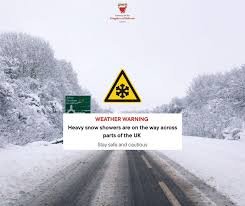
When winter weather turns serious, even a small change in temperature can create big problems for roads, homes, travel plans, and daily routines. A moderate snow ice warning is one of those weather alerts that deserves attention right away because it usually means conditions are expected to become hazardous enough to disrupt normal life, but not always so extreme that people fully understand the risk at first glance. That is exactly why this topic matters. Many people hear the phrase and assume it only means “a little snow” or “some slippery patches,” but in reality, a moderate snow ice warning can affect visibility, driving safety, walking conditions, heating needs, work schedules, school operations, and even emergency planning. If you live in a region where winter storms are common, knowing how to respond to a moderate snow ice warning can help protect your family, your property, and your peace of mind.
The reality is that winter weather often becomes dangerous not because of one dramatic event, but because of layers of smaller challenges that build up quickly. A light snowfall might seem harmless in the morning, yet when temperatures drop, that same moisture can freeze into black ice by evening. Melted snow on sidewalks can turn into slick surfaces overnight. Roads that look passable can become dangerous in the next hour. A moderate snow ice warning is a signal that these kinds of conditions may happen and that preparation is not optional. It is the moment to slow down, stay informed, and adjust your plans before the weather forces you to react.
Moderate Snow Ice Warning: What It Means and Why It Matters
A moderate snow ice warning generally indicates that snow and ice are expected to create noticeable travel difficulty, slippery surfaces, and possible disruptions to everyday activities. While the exact wording can vary depending on the weather service or local authority, the important idea remains the same: conditions are likely to be inconvenient at best and hazardous at worst. That is why this warning should not be treated casually. It means there is enough winter accumulation or icing potential to cause problems for vehicles, pedestrians, and utility systems.
The word “moderate” can sometimes make people underestimate the alert. In everyday conversation, moderate often sounds manageable. In weather forecasting, though, it does not mean harmless. It usually means the impact could be meaningful enough to require changes in behavior. That can include delaying travel, reducing speed on roads, checking on neighbors, stocking up on essentials, and avoiding unnecessary outdoor exposure. Even if the snowfall amount is not dramatic, the presence of ice changes everything. Ice is one of the most unpredictable winter hazards because it can be nearly invisible and can form before people realize the surface has changed.
This is why a moderate snow ice warning is so important from an SEO and public-awareness perspective as well. People search for this term because they want a clear, practical explanation of what they should do. They want to know whether they should stay home, whether schools may close, whether driving is safe, and how serious the alert is compared to other winter warnings. The most useful answer is that every moderate snow ice warning should be treated as a real weather event with real consequences, even if it does not sound dramatic on paper.
How a Moderate Snow Ice Warning Can Affect Your Day
A moderate snow ice warning can change a normal day very quickly. For many people, the first impact is on transportation. Roads may become slick, bridges may freeze first, and slush can reduce traction. Snow can also lower visibility, making it harder for drivers to judge distance, lane lines, or braking distance. Even a small amount of ice can create a dangerous situation, especially for inexperienced drivers or vehicles with worn tires. Public transit may run behind schedule, delivery services may slow down, and ride-sharing availability may become limited.
For pedestrians, the danger is just as real. Sidewalks, steps, driveways, parking lots, and curbs can all become slippery. A fall on ice can lead to serious injuries, especially for older adults and children. People often focus on the road conditions and forget that walking surfaces are just as important. A moderate snow ice warning can also affect simple tasks like taking out the trash, getting the mail, walking the dog, or carrying groceries from the car to the house. These everyday movements become more difficult and more dangerous when snow and ice combine.
At home, a moderate snow ice warning can create pressure on heating systems, plumbing, and electricity. Heavy snow on roofs can add weight, ice can block drainage, and freezing temperatures can strain pipes. If power lines are affected by ice accumulation or falling branches, outages become more likely. Even when there is no outage, the increased demand for heating may make it more expensive to keep the house warm. Families often discover that a moderate snow ice warning requires more than warm clothing; it requires a winter plan.
Business and school operations can also be affected. Some employers may delay opening, switch to remote work, or reduce office hours. Schools may cancel classes or move to virtual learning if conditions worsen overnight. Local governments may deploy road crews, salt trucks, and emergency response teams, but those systems can only do so much when temperatures remain low and ice keeps forming. A moderate snow ice warning may not stop life completely, but it can slow everything down enough to require patience and flexibility.
Road Safety During a Moderate Snow Ice Warning
Driving during a moderate snow ice warning should always be approached with caution. The safest decision is often to avoid driving unless the trip is necessary. But if travel cannot be postponed, preparation becomes essential. The main issue is not only snow buildup; it is the combination of snow, ice, low visibility, and reduced tire grip. Even experienced drivers can lose control when roads are unexpectedly slick.
Before leaving, it helps to make sure the vehicle is winter-ready. Tires should have enough tread, windshield washer fluid should be suitable for freezing weather, and the fuel tank should be kept at a reasonable level in case of delays. Windows, mirrors, roof surfaces, headlights, and taillights should be completely cleared before moving. Snow left on the roof can slide onto the windshield while driving, and that can block visibility in seconds. Many people underestimate how dangerous that can be, especially at higher speeds or during sudden braking.
Once on the road, slower driving is the rule. Speed limits are designed for normal conditions, not ice. A car needs much more distance to stop on snowy or icy pavement than it does on dry roads. Gentle steering, gradual braking, and smooth acceleration are essential. Sudden movements can cause skidding. Drivers should also leave extra space between vehicles because tailgating becomes much more dangerous when traction is low. Hills, curves, and bridges deserve extra caution because these areas often freeze more quickly than flat roads.
It is also smart to pay attention to local road reports and weather updates before and during travel. A moderate snow ice warning can worsen faster than expected if temperatures drop or precipitation intensifies. A road that seemed manageable in one area may be much worse a few miles away. If conditions begin to feel unsafe, it is better to turn around, wait, or find a safe place to pause than to push through and risk an accident. Safety is always worth more than arriving a little earlier.
Home Preparation Before Conditions Worsen
Preparing your home during a moderate snow ice warning is one of the most practical ways to reduce stress. Winter weather often becomes more manageable when the basics are handled early. That means making sure you have enough food, drinking water, medication, batteries, flashlights, blankets, and warm clothing on hand. Even if the warning turns out to be less severe than expected, you will still benefit from being ready.
Heating is one of the biggest concerns during cold weather. Check that your furnace, heater, fireplace, or backup heating source is working properly before the temperature drops further. If your home uses space heaters, use them carefully and follow safety guidelines. They should never be left unattended, and they should be kept away from curtains, bedding, and anything flammable. A moderate snow ice warning is also a good time to seal drafts around windows and doors. Even small gaps can let cold air in and make it harder to keep your home warm.
It is wise to protect plumbing as well. Pipes exposed to freezing air can burst if temperatures fall too low, which can create expensive damage. Keeping cabinet doors open under sinks, allowing faucets to drip slightly when necessary, and insulating exposed pipes can help prevent problems. Gutters and drains should also be checked if possible, because snowmelt and refreezing can create ice buildup that puts pressure on roofs and outdoor surfaces.
Outdoor areas deserve attention too. Walkways, steps, and driveways can become much more dangerous if not treated in time. Shoveling before snow compacts and freezes is usually easier than waiting until later. De-icing materials can help, but they should be used according to the surface and temperature. Good lighting around entrances can make a major difference when visibility is poor and ice is hard to see. In many cases, the smartest approach to a moderate snow ice warning is to prepare the property before the weather becomes severe enough to make those tasks difficult or unsafe.
What to Wear and Carry in Winter Conditions
What you wear during a moderate snow ice warning can affect both comfort and safety. Warm clothing is important, but layering is even better because it helps trap heat while allowing you to adjust if you move between indoor and outdoor spaces. A thermal base layer, insulated middle layer, and wind-resistant outer layer can work much better than one heavy coat alone. Gloves, hats, scarves, and insulated socks also matter because a lot of body heat is lost through the head, hands, and feet.
Footwear is especially important. Shoes or boots with good traction can reduce the risk of slipping on snow and ice. Smooth soles may look stylish, but they are not ideal for winter conditions. Waterproof or water-resistant boots can also help keep feet dry, which is important because wet socks in cold weather can make a person uncomfortable and vulnerable to the cold much faster. If you need to spend time outside during a moderate snow ice warning, dressing for the surface under your feet is just as important as dressing for the air temperature.
It also helps to carry a few essentials if you may be out during the warning. A charged phone, portable power bank, small flashlight, tissues, hand warmers, and a basic emergency kit can be very useful. If you are driving, keep a blanket, ice scraper, small shovel, bottled water, and nonperishable snacks in the car. These items can make a big difference if traffic slows, road conditions worsen, or you need to wait for assistance. Winter weather often turns minor delays into long waits, so preparation is not overcautious; it is practical.
School, Work, and Daily Routine Decisions
A moderate snow ice warning often forces people to rethink their daily routine. The goal is not to panic but to make smart choices. Schools may decide to close, start late, or switch to remote learning depending on local conditions. Employers may encourage staff to work from home or use flexible schedules. If your workplace or school has not announced changes yet, it is still wise to plan ahead and assume travel may take longer than usual.
For families, this may mean adjusting wake-up times, packing extra layers, or arranging childcare changes in case of delays. It is also helpful to think about the possibility of a sudden change in plans. A child may start school normally in the morning, only for conditions to worsen by afternoon. A worker may leave home with no problem and face a much more dangerous return commute later in the day. That is why the best strategy during a moderate snow ice warning is to remain flexible.
Remote workers should also prepare for possible internet or power disruptions. Keeping devices charged, saving important files, and confirming access to key work platforms can reduce stress if the weather interferes with normal routines. People who rely on public transportation should check schedules early because service may be reduced or delayed. In winter weather, the people who adapt most quickly tend to have the smoothest day.
How to Stay Updated During a Moderate Snow Ice Warning
Weather conditions can change fast, which is why staying updated is one of the most important parts of responding to a moderate snow ice warning. A warning is not a one-time message; it is the start of a monitoring process. You should keep an eye on local forecasts, official weather alerts, transportation notices, and emergency updates throughout the day. Conditions may improve, remain steady, or worsen, and your decisions should reflect the latest information.
Using multiple sources can be helpful, especially when one app or station gives only part of the story. Local weather services, government alert systems, radio updates, and transportation departments can all provide useful information. It is especially important to check updates before leaving home, before driving home, and before going to sleep if freezing temperatures are expected overnight. Ice can form while you are asleep, and that can create dangerous morning conditions even if the evening looked fine.
A moderate snow ice warning should also remind people to pay attention to the difference between observed conditions and forecast conditions. Sometimes the forecast sounds mild, but the actual surface on the ground is much worse due to freezing rain, refrozen slush, or hidden black ice. Trust what you see, not just what you hoped would happen. If the road, sidewalk, or driveway looks slippery, it is slippery enough to matter.
Common Mistakes People Make During Winter Warnings
One of the biggest mistakes people make during a moderate snow ice warning is assuming that because the alert does not sound extreme, it can be ignored. That mindset often leads to poor choices like driving too fast, walking without proper footwear, leaving the house without warm layers, or delaying preparation until the conditions are already dangerous. Winter weather punishes delay. By the time a person decides they need salt, groceries, or emergency supplies, the roads may already be worse.
Another common mistake is overconfidence. Some people believe they are “good drivers” and therefore less likely to be affected by snow or ice. Skill helps, but it does not eliminate physics. A vehicle on ice behaves differently no matter who is behind the wheel. Braking distances increase, turns become less stable, and visibility can disappear quickly during blowing snow. Confidence is useful in many situations, but during a moderate snow ice warning, humility keeps people safer.
People also make mistakes by ignoring walking safety. Many injuries during winter happen not in cars, but on foot. Rushing up slippery steps, carrying too many bags, stepping onto shaded ice patches, or wearing unsuitable shoes can all lead to falls. Another mistake is failing to check on vulnerable neighbors, especially older adults or people with mobility issues. Winter hazards affect communities differently, and a simple check-in can be meaningful.
Finally, many people do not prepare for the aftermath. Even when the snowfall slows, the ice may remain. Refreezing overnight can create the most dangerous conditions of all because people assume the storm has passed. The smartest response to a moderate snow ice warning is not only to react during the event but also to think ahead to the next morning, when hidden ice can still cause accidents.
Why a Moderate Snow Ice Warning Deserves Respect
A moderate snow ice warning deserves respect because it sits in that risky middle zone where people often make mistakes. It may not look dramatic enough to cause alarm, but it is often strong enough to disrupt normal routines and create real danger. That middle zone is where many winter accidents happen. People overestimate their ability to move through it safely, and that overconfidence can lead to unnecessary injuries, delays, and damage.
Respecting the warning does not mean living in fear. It means responding with intelligence. It means keeping the car slower, the house warmer, the schedule more flexible, and the family more prepared. It means understanding that even modest snow and ice can create major problems when combined with low temperatures, poor visibility, and busy roads. In many cases, the people who come through winter storms best are not the ones who ignore the weather, but the ones who take small steps early.
That is why a moderate snow ice warning should be part of every winter safety plan. Whether you are a parent, commuter, student, driver, homeowner, or business owner, this warning is a reminder to take conditions seriously before they become an emergency. It is much easier to prevent a problem than to recover from one.
Final Thoughts: Stay Ready, Stay Informed, Stay Safe
A moderate snow ice warning is more than just a weather phrase. It is a practical signal that winter conditions are becoming risky enough to affect travel, safety, and daily life. When this warning appears, the best response is to prepare early, move carefully, and make thoughtful decisions based on current conditions. Check the weather often, dress for the cold, avoid unnecessary travel, protect your home, and remember that ice can be more dangerous than snow alone.
If you are reading this because your area is under a moderate snow ice warning, take a few minutes right now to get ahead of the storm. Charge your phone, check your heating, stock a few essentials, and plan your next trip carefully. Share this information with your family, friends, and neighbors so everyone around you can stay safer too. Winter weather is easier to handle when people are prepared before the first slick step or the first slippery road. Stay alert, stay warm, and treat every moderate snow ice warning as the real weather event it is.


Post Comment