
The first time I saw someone double down in blackjack, I thought he had lost his mind. We were at a small, noisy table, the guy next to me held 11, the dealer showed a 6, and he calmly pushed out a second stack of chips equal to his first bet. I asked what he was doing. “Doubling down,” he grinned. The dealer flipped him a face card for 21, then busted. That single hand taught me more than any chart. If you have been wondering what does double down mean in blackjack, you are about to learn one of the most powerful moves in the game.
It sounds dramatic, and it is. You are putting twice the money on the line in one hand. But it is not reckless. When you understand the math, doubling down is one of the smartest plays you can make. It is one of the few moves that lets you raise your bet mid-hand, after seeing your cards and the dealer’s upcard. Used correctly, it trims the house edge. Used wrongly, it burns chips fast. Here is everything I wish someone had explained to me that night.
Table of Contents
What Does Double Down Mean in Blackjack? The Simple Definition
Plainly put, what does double down mean in blackjack? After your first two cards are dealt, you may double your original bet. In return, you get exactly one more card, and then your turn ends. You must stand after that card, whatever it is. More money in, one card out, no take-backs.
Picture it. You bet $10 and get a 6 and a 5 for 11. You slide another $10 beside your bet and double down. The dealer gives you one card. A face card makes 21 with $20 riding instead of $10. A low card like a 3 leaves you stuck on 14, and you cannot hit again. That trade-off is the heart of the move: the extra card can save you or sink you, and there is no second chance.
Grasping what does double down mean in blackjack matters more than memorizing rules, because the move only pays when the situation favors you. You are doubling your risk, so you want the odds tilted your way first. The good news: the favorable spots are well known, simple to learn, and come up constantly.
How the Move Works at a Live Table
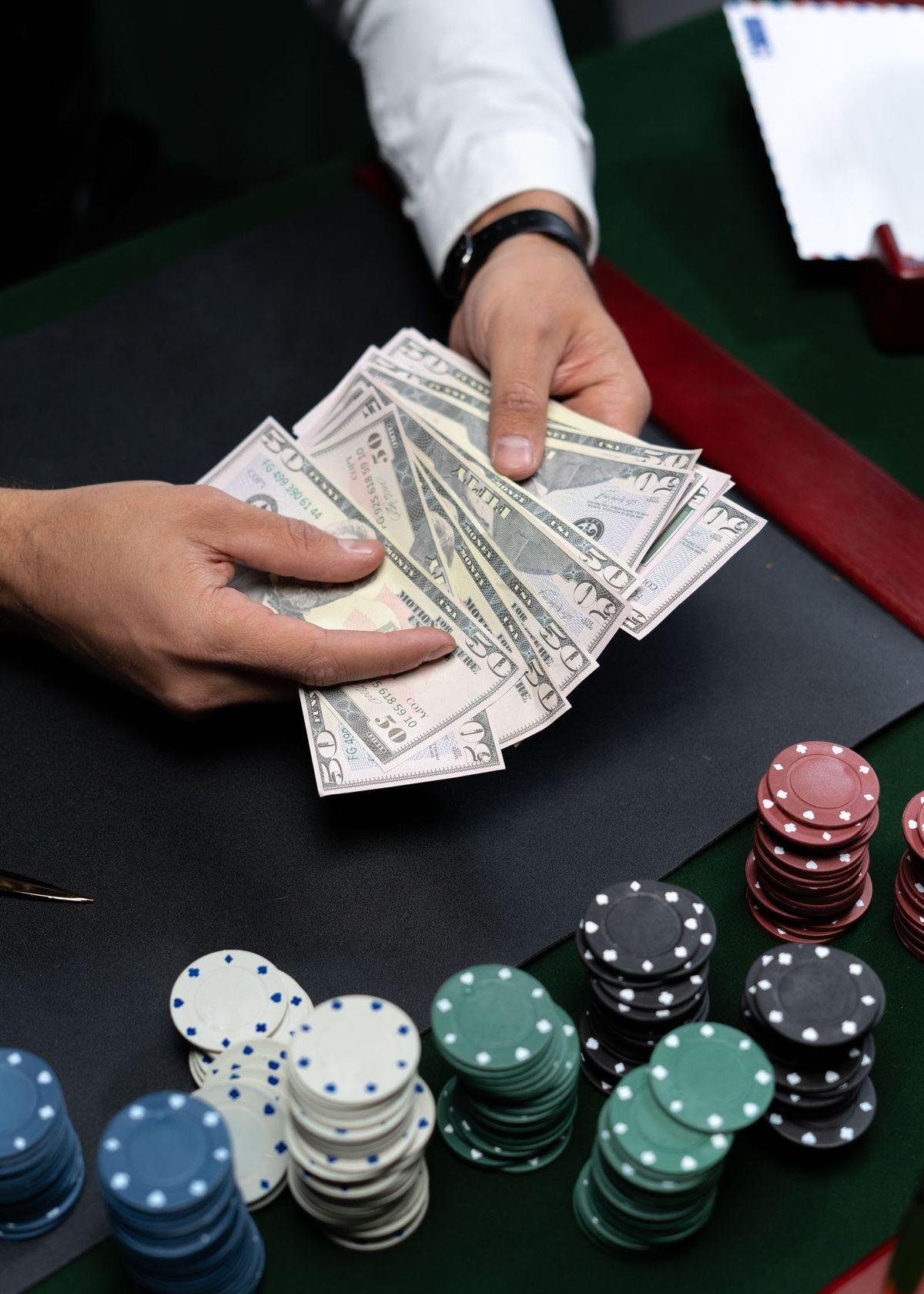
The mechanics are easy once you have seen them. When your turn comes, place extra chips next to your original bet, not on top of it. The extra bet can be equal to or less than the original, but serious players double for the full amount. That is the point of the play.
Signal clearly: set the chips down and hold up one finger, meaning one card. The dealer will confirm, often announcing “doubling down” for the cameras, then deal you a single card. Your hand is done. Part of truly understanding what does double down mean in blackjack is accepting the finality of that one card before you ever signal. One thing that surprised me early: you may “double for less” at most tables, putting out a smaller second bet. I rarely recommend it. If the spot is good enough to double, it is good enough to double fully. Doubling for less leaves money behind exactly when the math favors you.
When to Double Down: Hard 9, 10, and 11
Basic strategy answers the when-to-double question with clean, math-backed rules. They come down to your hand strength and the dealer’s weakness. These three cover most doubling decisions you will ever make.
Hard 11 is the golden rule. A hard hand has no ace, or an ace forced to count as 1. Double hard 11 against everything except a dealer ace. There are more 10-value cards than any other, so your likeliest draw makes 21. Players chant “always double 11” like a mantra, and it nearly is one.
Hard 10 comes next: double against a dealer 2 through 9. A 10-value card gives you 20, a monster, and the dealer shows nothing scary. Note the cutoff. Against a dealer 10 or ace, back off and just hit. A strong dealer upcard flips the math.
Hard 9 is the subtler one: double against a dealer 3 through 6. A hard 9 cannot bust on one card, and 3 through 6 are the famous dealer bust cards. When the dealer is likely to bust, you want more money out. Doubling hard 9 against a dealer 5 means playing the dealer’s weakness, not just your own strength. Learn these three and you own the most profitable doubling plays in the game, which is really the practical payoff of learning what does double down mean in blackjack.
Doubling Soft Hands: Where Aces Change Everything
Soft hands, where an ace counts as 11, open a second category of doubles that most beginners miss. Their beauty: you cannot bust with one card. Draw too high and the ace drops to 1. That safety net makes soft hands fine doubling candidates in the right spots.
The standard plays: double soft 13 through 16 against a dealer 4, 5, or 6, and soft 17 and 18 against a dealer 3 through 6. The pattern never changes. Your hand cannot bust, the dealer shows a bust-prone card, so you press with extra money.
These feel strange at first. Doubling ace-4 (soft 15) looks like nonsense if you think of 15 as a bad hand. But a soft 15 is not bad when doubling, because busting is impossible and the dealer is in trouble. I once had a dealer raise an eyebrow when I doubled soft 14 against a 5. Two hands later another player copied me and won. Trust the math. Once you see what does double down mean in blackjack for soft hands, these become quiet money-makers that separate thinking players from purely instinctive ones.
When NOT to Double Down
Knowing when to hold back matters as much as knowing when to press, because bad doubles are pure leaks. Be blunt with yourself about these.
Never double when the dealer shows 10 or ace, except with hard 11. This is the most common beginner mistake. They hold 10, the dealer shows 10, and “feeling lucky” takes over. A dealer 10 or ace is the strongest start the house gets. Doubling into it means paying extra to fight uphill. Just hit and move on.
Never double a hard 12 or higher. A hard 12 busts on any 10-value card, the most common cards in the deck. Doubling a hand that can bust is a gift to the casino. If your hard total is 12-plus, doubling should not cross your mind.
Never double soft 19 or higher. Soft 19 (ace-8) is already strong. Doubling it risks wrecking a likely winner for no reason. Stand and let the hand do its job. Every one of these mistakes shares a root cause: doubling without an edge. The full answer to what does double down mean in blackjack includes knowing when the answer is “not now.” The move exists to add money when odds favor you. When they do not, keep your bet put.
Signaling a Double Down Without Looking Lost
If you have never doubled at a real table, the procedure can feel intimidating. It is simpler than it looks, and dealers help new players all day.
Wait for your turn, stack your extra chips neatly beside your original bet, and hold up one finger. That is the universal signal for one card. The dealer deals it, sometimes sideways to mark it as the double card, and your turn ends. You cannot ask for another hit, even if the card is awful. I once watched a player double, catch a 5 for 16, and wave for another card. The dealer just shook his head with a sympathetic smile. One card, then stand. Absolute.
A little etiquette: do not touch your cards in a face-up game, keep your hands clear while the dealer works, and ask before acting if unsure. Dealers would rather explain than unwind a misbet. Everyone at that table was new once.
Rule Variations: Not Every Table Is the Same
The doubling rules change between tables and casinos, and they affect how often you can use the move. Check before you buy in. It takes ten seconds.
“Double on any two cards” is the player-friendly standard and what basic strategy assumes. Some tables restrict doubling to 9, 10, and 11 only, which kills the soft-hand doubles and costs you real expected value. Not a deal-breaker, but know it before you sit.
Then there is “double after split” (DAS), letting you double a hand created by splitting. Split 8s, catch a 3 for 11, double that 11. DAS is genuinely valuable, and its absence changes some splitting decisions. Playing a restricted game with an unrestricted strategy, or the reverse, quietly bleeds value without you noticing. This is why asking what does double down mean in blackjack should always be followed by asking what your specific table allows.
Doubling Down, Basic Strategy, and the House Edge
Doubling is not a standalone trick. It is a load-bearing wall of basic strategy and a big reason blackjack’s house edge can sit so low next to other casino games. When you double correctly, you raise your bet exactly when the math favors you. Casinos allow it because each edge is small, and because wrong doubles from casual players more than pay for the right ones.
Correct doubling, plus splitting pairs, is why a disciplined player faces an edge well under one percent in a good game, while someone who never doubles faces something far worse. The gap is not luck. It is decisions like these. If you want the full probability breakdowns, the Wizard of Odds blackjack guide is the gold-standard reference, and I still check it before trips.
One practical link: doubling asks you to put extra money out mid-hand, so size your base bet to survive it. Keep your standard bet small enough that doubling and splitting never stress your stack. Nothing is sadder than a perfect double spot with no chips to take it.
Online and Live-Dealer Differences
Online, the math is identical. Hard 11 against a dealer 6 is a double in Vegas, on your laptop, or on your phone. The experience differs in small but real ways.
In standard online blackjack, doubling is a button. Click “Double,” the extra bet leaves your balance, one card appears, done. No social pressure, no dealer watching you hesitate. Low-stakes online tables are a fine classroom for learning these spots.
Live-dealer games sit in between: you click, a real dealer on camera handles the cards. The slower pace helps you think, but mind the betting timer. Let it expire mid-decision and the software may default to hit or stand. Know your doubling rules cold before sitting down.
One caution: online rule variations hide in help screens. Some games restrict doubling to 10 and 11 or ban double after split. Check before playing for real money. And since table rules shape every decision, it is worth learning how to read blackjack payouts too. A 6:5 table versus 3:2 changes the value of every hand you play, doubles included. Wherever you play, knowing what does double down mean in blackjack gives you the same edge, as long as the rules let you use it.
Beginner Mistakes That Cost Real Money
I made several of these myself starting out, so no judgment, just lessons. First: doubling hard 12 or higher. It usually comes from frustration after a losing streak, a hope to “get it all back.” It doubles the pain instead. Walk away from the impulse.
Second: doubling into a dealer 10 or ace out of bravado. Some tables carry a macho energy about “not being scared” of the upcard. Ignore it. That is not brave, it is expensive. The players who last fold their ego and just hit.
Third: forgetting the one-card rule. If you cannot live with standing on whatever single card comes, do not double in the first place. Fourth: doubling for less without a reason. You did the hard work of finding an edge. Do not shortchange the collection.
Fifth, the quietest and costliest: never doubling at all. Plenty of cautious beginners simply never use the move, hitting 11 against 6 every time and leaving the most profitable play in blackjack on the table, session after session. If that is you, start with one rule: double hard 11 against anything but an ace. Master that single play and the rest follows.
Conclusion: Make the Double Your Friend
You now have the full answer to what does double down mean in blackjack. Double your bet, take exactly one card, then stand. Do it on hard 11 against anything but an ace, hard 10 against 2 through 9, hard 9 against 3 through 6, and soft hands against weak dealer upcards. Hold back when the dealer is strong or your hand can bust.
What I love about the double is that it rewards the mindset that wins at blackjack generally: patience, attention, and decisive action when the moment is right. You will not double every hand. But a few times a session, the cards line up, the dealer shows weakness, and you push those chips forward with confidence. That feeling my table neighbor showed me years ago never gets old.
Practice the core doubles at low stakes until the decisions feel automatic, keep this guide handy for the soft spots, and remember the golden rule beneath all the rules. Anyone asking what does double down mean in blackjack deserves this follow-up: now you know, and more importantly, you know exactly what to do with it.
Frequently Asked Questions
Can you double down on any hand in blackjack?
It depends on the table. Most games allow doubling on any first two cards, but some restrict it to totals of 9, 10, and 11. Either way, strategy says only double the favorable spots: hard 9, 10, 11 and certain soft hands against weak dealer upcards.
What happens if you get a bad card after doubling down?
You are stuck with it. That is the trade: one extra card, then you must stand no matter what. Double an 11, catch a 3 for 14, and you stand on 14 hoping the dealer busts. This is exactly why you only double when the odds favor you.
Can you double down after splitting a pair?
Only where “double after split” (DAS) is allowed. Many good games permit it, and it is valuable. Split 8s, catch a 3 for 11, and doubling is textbook when DAS applies. Check the table rules before assuming.
Should you always double down on 11?
Almost. Basic strategy says double hard 11 against every dealer upcard except an ace. Against an ace the math shifts and hitting is better. For standard multi-deck games, that is the rule.
Does doubling down work the same in online blackjack?
Yes, the strategy is identical because the math never changes. The differences are practical: a button instead of a hand signal, a betting timer in live-dealer games, and rule variations buried in help screens. Low-stakes online play is a great way to practice the spots.
Gamble responsibly. 18+ only.

Post Comment