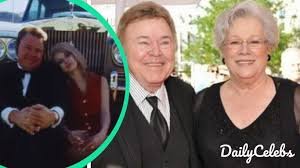
Barbara Joyce Rupard: A Private Life Connected to a Country Music Icon
Barbara Joyce Rupard is a name that continues to attract attention because it is closely tied to one of country music’s most recognizable figures, Roy Clark. Public reporting consistently identifies her as Clark’s wife, and major obituaries note that the couple were married for more than six decades, shared five children, and made their home in Tulsa, Oklahoma. Roy Clark died in 2018 at age 85, and his surviving family included Barbara Joyce Rupard.
That simple public record is part of what makes Barbara Joyce Rupard such an interesting search topic. In an era when many public figures build a brand around constant visibility, Barbara remained largely outside the spotlight. Her name appears in connection with family, marriage, and support, not with self-promotion or celebrity performance. For readers and searchers, that creates curiosity. Who was she beyond the headlines? What kind of life did she build beside a man whose fame reached television, records, and live stages across America? Those questions are the reason Barbara Joyce Rupard still matters to modern readers, even though she never sought the kind of attention Roy Clark received.
Why Barbara Joyce Rupard Still Gets So Much Attention
The continued interest in Barbara Joyce Rupard says a lot about how people read biography today. Readers rarely search only for the famous person anymore. They also search for the family members, partners, and quiet supporters who stood nearby while the public figure built a career. In Barbara’s case, the fascination is especially strong because Roy Clark was not just a musician. He was a television personality, a guitar virtuoso, a longtime host of Hee Haw, and a man whose obituary described him as a major country music presence for decades.
When a public figure’s career is this large, the people closest to them become part of the story, even if they never speak on the record. That is why searches for Barbara Joyce Rupard remain common. People want the missing half of the picture. They want to understand the home life behind the stage life, the private world behind the lights, and the personal support system behind the public success. That is not gossip for gossip’s sake. It is a natural human curiosity about how great careers are sustained over time.
Barbara Joyce Rupard stands out because she represents stability. Roy Clark’s life was filled with touring, recording, television, and public appearances, but Barbara’s role appears to have been rooted in continuity. The marriage itself lasted from 1957 until Clark’s death in 2018, a span of more than 60 years. That alone makes her story relevant to anyone interested in long-term partnership, family endurance, and the private sacrifices that often sit behind public achievement.
The Marriage That Became the Center of Her Public Identity
Roy Clark married Barbara Joyce Rupard on August 31, 1957, after an earlier marriage ended in divorce. Public biographies and obituaries repeatedly state that Barbara remained his wife for the rest of his life. The couple lived in Tulsa, Oklahoma, and raised five children together. When Clark died in Tulsa in November 2018, his surviving family included Barbara Joyce Rupard.
That marriage is the main reason Barbara Joyce Rupard remains a recognizable name today, but it is also the reason her story deserves more than a passing mention. Long marriages in the entertainment world are not simple. Fame places stress on privacy, routine, and family rhythms. Touring can keep one spouse on the road while the other keeps the home stable. Public attention can make ordinary life feel exposed. The fact that Roy and Barbara’s marriage lasted more than six decades suggests a relationship built on patience, loyalty, and shared responsibility. Even if the public record gives few personal details, the timeline itself speaks loudly.
It is also meaningful that Roy Clark’s obituaries did not describe Barbara as a background note. They named her directly as his wife and one of the key survivors. That tells us something important: when his life story was summarized for the public, Barbara Joyce Rupard was not treated as a footnote. She was part of the foundation of his personal life, and that makes her a legitimate subject of interest in her own right.
What We Know About Barbara Joyce Rupard From Public Records
The public information available about Barbara Joyce Rupard is limited, and that limitation matters. There is no widely cited mainstream biography focused on her childhood, education, or career. Instead, the record repeatedly returns to her marriage to Roy Clark, their family, and their home in Tulsa. That kind of public silence does not make her unimportant. It simply means she chose a life away from constant publicity.
For searchers, that creates a practical challenge: it is easy to find mentions of Barbara Joyce Rupard, but harder to find deeply personal details. That is why so many articles about her need to be written carefully. A good biography should not invent facts to fill gaps. It should respect what is known and acknowledge what is not. In Barbara’s case, what is known is enough to build a meaningful story. She was Roy Clark’s wife for more than 60 years, shared a family with him, and remained connected to the public memory of his career long after his death.
This is also where we can do real work. Readers searching for Barbara Joyce Rupard are often not looking for sensationalism. They are looking for a clean, trustworthy summary of her life and her connection to Roy Clark. That means the best article is one that answers the search intent honestly. It should provide context, emphasize verified facts, and help the reader understand why this name still appears in search results today.
Roy Clark’s Fame Helped Make Barbara Joyce Rupard Searchable
Roy Clark’s career was the kind that naturally pulled family life into the public eye. He was known for his guitar skill, his television presence, and his role as co-host of Hee Haw, the long-running country comedy show that became a cultural fixture. The Washington Post described him as a virtuosic guitarist and a major emblem of country music. It also noted his career achievements, his broad recognition, and his death in Tulsa in 2018.
Because Clark was so visible, the people closest to him became part of the public story. Barbara Joyce Rupard’s name appears in obituaries and biographical summaries not because she pursued fame, but because she was linked to a man whose career was inseparable from American entertainment history. That is a familiar pattern in celebrity life: the public often becomes curious about the spouse who helped hold everything together behind the scenes.
Barbara’s visibility is therefore secondhand. It is inherited through the scale of Roy Clark’s career. This is important for writers because it changes the tone of the article. A fair piece about Barbara Joyce Rupard should not pretend she built a public entertainment career of her own if the evidence does not support that claim. Instead, it should focus on the real reason she is remembered: she was the long-term partner of a major country star and a central figure in the family life that ran alongside his success. That approach is more accurate, more respectful, and ultimately more useful to the reader.
The Power of a Private Partner in a Public Marriage
One of the most overlooked truths in celebrity biography is that privacy is work. A private spouse in a public marriage often has to protect the home from becoming a stage. That role is rarely celebrated, but it can be essential. For someone like Barbara Joyce Rupard, privacy may have been one of her greatest strengths. A long marriage to a touring entertainer requires resilience, discretion, and a willingness to keep family life grounded when the outside world is not.
That is why Barbara’s story resonates even with readers who know very little about Roy Clark’s personal life. She represents the kind of partner who does not need the microphone to matter. She matters because the marriage lasted. She matters because the family endured. She matters because the public remembers Roy Clark partly through the lens of the home life that supported him. Even without a detailed list of her own public achievements, Barbara Joyce Rupard remains central to the emotional history of Clark’s life.
In many ways, that makes her story universal. Most people are not famous. Most people are not on television every week or on stage in front of thousands. But many people know what it means to support someone else’s dream, keep a household running, raise children, and preserve stability while life becomes louder and faster around them. Barbara’s life, as publicly visible as it is, connects to that universal experience. That is why her name continues to pull readers in.
Family, Home, and the Meaning of Tulsa
Public sources place Barbara Joyce Rupard and Roy Clark in Tulsa, Oklahoma, where they made their home for many years. Tulsa became closely associated with Clark’s later life and memory, and it was also the place where he died in 2018. The family connection to Tulsa adds a sense of rootedness to the story. It suggests that despite the traveling, fame, and national recognition, there was still a home base where family life could unfold with greater normalcy.
That detail may sound small, but it matters. A stable home is often the hidden structure behind a successful public life. For entertainers, home is where the noise stops. It is where schedules are managed, children are raised, and the pressures of performance are balanced with ordinary life. Barbara Joyce Rupard’s connection to Tulsa hints at that role. She was part of the domestic center around which a complicated and highly public career could remain functional.
This is also one reason the story has long-term search value. People searching for Barbara Joyce Rupard are usually not only looking for dates and names. They are looking for a sense of place. They want to know where the family lived, how the marriage endured, and what kind of life existed away from the spotlight. Tulsa provides that anchor. It turns Barbara’s story from a name in a search result into a human life with geography, routine, and family memory.
Barbara Joyce Rupard and the Idea of Legacy
Legacy is often misunderstood. People think it only belongs to the performer, the athlete, or the public figure. But legacy is bigger than the person onstage. It includes the family structure, the private support, and the life that continued after applause ended. Barbara Joyce Rupard is part of Roy Clark’s legacy in exactly that sense. Her presence in his life helped shape the long personal story that existed alongside his professional one.
When an obituary says that Roy Clark is survived by his wife Barbara Joyce Rupard and five children, it is doing more than listing facts. It is acknowledging a life that was shared. It is also telling the reader that behind the public legend there was a family that lived through years of milestones, routines, celebrations, challenges, and grief. That human reality is the foundation of any true legacy.
For readers, this matters because it helps transform a celebrity name into a fuller biography. Roy Clark was not only a star; he was a husband and father. Barbara Joyce Rupard was not only a spouse; she was the person most closely tied to the family story that outlasted the stage show. That kind of legacy does not always make headlines, but it shapes how people are remembered.
Why Readers Search for Names Like Barbara Joyce Rupard
Search behavior tells a story too. Names like Barbara Joyce Rupard draw attention because people are trying to connect the dots between public fame and private life. They may have heard Roy Clark’s name for years and suddenly want to know more about the person beside him. They may have seen a brief obituary mention and become curious. Or they may simply enjoy uncovering the human side of a celebrity story.
That curiosity is healthy when it is handled respectfully. In the best case, it leads readers away from rumor and toward context. It encourages them to understand that some people become publicly known not because they are performers themselves, but because they are central to the life of someone famous. Barbara Joyce Rupard fits that pattern. Her public identity is attached to Roy Clark, but that does not make her life meaningless or invisible. It makes her part of a larger story about family, marriage, and long-term support.
For publishers, that means the article should satisfy both human curiosity and search intent. It should answer the obvious question first: who is Barbara Joyce Rupard? Then it should broaden the picture by explaining her marriage, her family, and her place in Roy Clark’s life. That is the kind of content that keeps readers engaged because it feels complete without pretending to know more than the record allows.
What Makes This Story Clickable for New Visitors
A strong biography needs more than facts. It needs an entry point that makes the reader want to continue. Barbara Joyce Rupard’s story has that built in because it combines fame, privacy, and long-term marriage. Those are three elements that naturally pull in new visitors. Fame gives the topic recognition. Privacy adds mystery. Longevity adds emotional weight.
The click-worthy angle is not exaggeration. It is clarity. Readers are likely to click on an article about Barbara Joyce Rupard because they want to know how a woman with a quiet public profile stayed connected to one of country music’s most visible personalities for so long. They want to know what the public record actually says. They want a story that is readable, trustworthy, and emotionally coherent.
That is why the best headline is one that signals both curiosity and respect. It should promise insight without crossing into speculation. It should invite new visitors by making the topic feel alive, but it should also reassure them that the article is grounded in real public information. A biography with that balance will generally perform better because it matches what searchers actually want: a simple, satisfying answer with enough depth to feel worthwhile.
The Lessons Barbara Joyce Rupard’s Story Leaves Behind
Even with limited public details, Barbara Joyce Rupard’s story offers several lasting lessons. The first is that not every important life is public. Some of the most meaningful roles are played away from the spotlight. The second is that longevity matters. A marriage lasting more than 60 years is not a footnote; it is an achievement in its own right. The third is that family history often hides inside celebrity history. When people research a famous person, they often discover the quiet partner who made the life behind the fame possible.
There is also a lesson about writing itself. The best biography does not overstate what it cannot verify. It respects the boundary between public record and private life. In Barbara Joyce Rupard’s case, that approach is especially important. The available facts are simple but powerful: she married Roy Clark in 1957, remained with him until his death in 2018, shared five children with him, and was part of the Tulsa home life that anchored his later years. Those facts are enough to build a meaningful portrait.
For readers, that can be refreshing. Not every article needs drama to matter. Sometimes the most compelling story is the steady one. A long marriage, a private life, a family, and a quiet role beside a public star can be more memorable than any sensational headline. That is the deeper appeal of Barbara Joyce Rupard.
Barbara Joyce Rupard in the Modern Search Era
Today, people do not just search for entertainers. They search for spouses, families, histories, and hidden connections. That is why Barbara Joyce Rupard remains relevant in the modern search era. Her name appears in the context of Roy Clark’s life, but the search intent goes beyond that. Users want a fuller understanding of the people surrounding famous personalities. They want the human story behind the public record.
This is where a well-written article can help both readers and publishers. It can satisfy the query while building trust. It can turn a sparse set of facts into a useful narrative. It can make a name feel recognizable, understandable, and worth remembering. Barbara Joyce Rupard’s story is ideal for that purpose because it is simple, respectful, and rooted in a widely known public figure’s life.
It is also a reminder that not every strong biography needs dramatic conflict. Some stories are powerful because they are steady. Some stories matter because they stayed private. Some stories earn attention because they reveal the kind of long-term partnership that celebrity culture often overlooks. Barbara Joyce Rupard is one of those stories.
Final Thoughts on Barbara Joyce Rupard
Barbara Joyce Rupard may not be a household name in the same way Roy Clark was, but her importance comes from the life she shared with him and the family they built together. Public reporting clearly places her at the center of that personal story. She was Roy Clark’s wife from 1957 until his death in 2018. They lived in Tulsa. They raised five children. And when his life was summarized for the world, her name appeared among the most important survivors.
That is enough to make Barbara Joyce Rupard worth reading about. It is also enough to make her name continue to attract clicks from new visitors who want clarity, context, and a trustworthy account. Her story is not loud, but it is lasting. It reminds us that behind many public legends stands someone who helped make the life possible. In this case, that person was Barbara Joyce Rupard.
If you enjoyed this biography, share it, bookmark it, and explore more celebrity family stories on our site for fresh, readable, and that keeps you coming back.



Post Comment