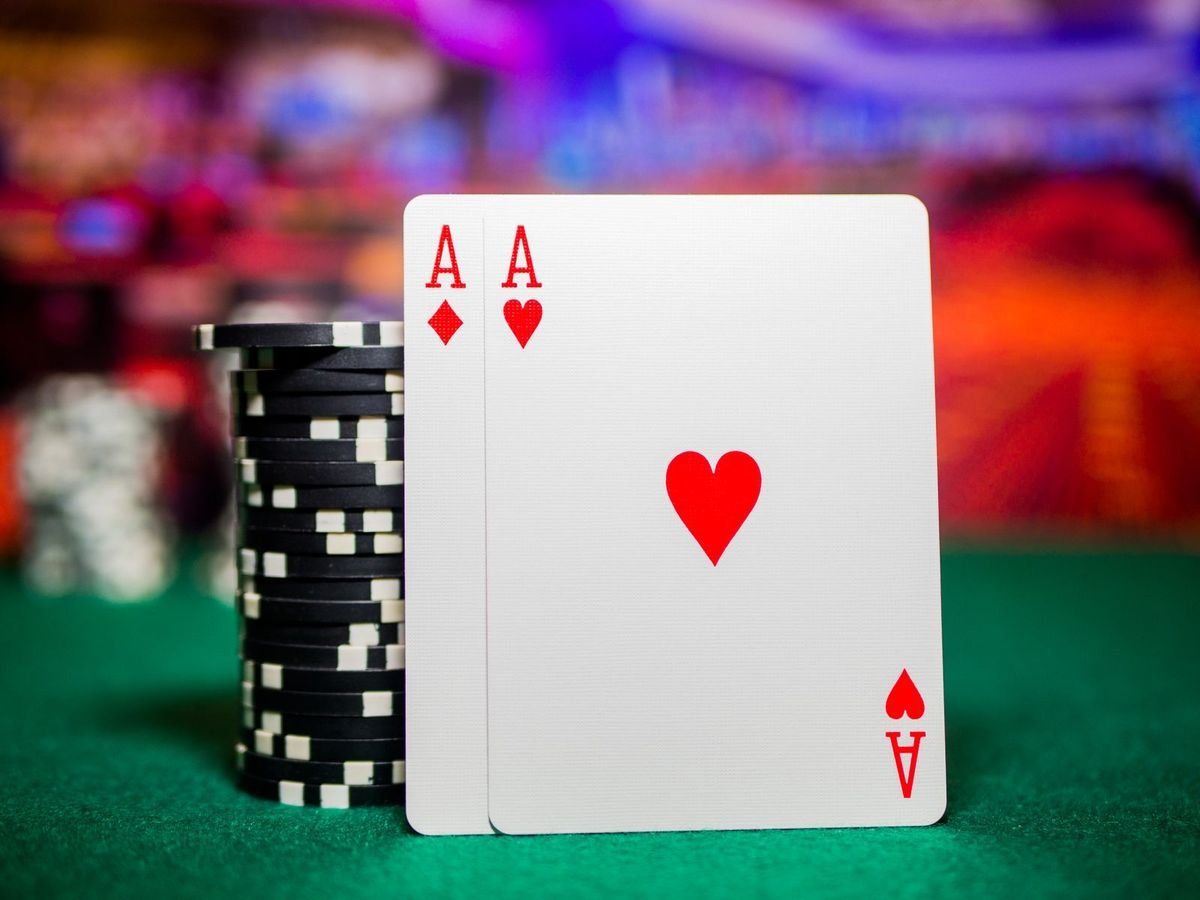
What Is Spanish 21? Blackjack’s Fun Cousin Explained
I still remember the first time I sat down at a Spanish 21 table. I had walked in for my usual game of blackjack when I spotted a table that looked almost identical — except the sign said “Spanish 21”. So, what is Spanish 21? If you’ve ever stared at one of those tables and wondered the same thing, you’re in the right place. If you’ve been wondering what is Spanish 21 and whether it’s worth your chips, this guide will tell you everything I wish someone had told me before my first hand.
Table of Contents
What Is Spanish 21, Really?
At its heart, Spanish 21 is a blackjack variant that plays a lot like the game you already know, but with a few twists that change the feel of every hand. You still try to beat the dealer without going over 21, and you still hit, stand, double, and split.
So what is Spanish 21 at its core? It’s blackjack with the deck shaken up and the rules rewritten mostly in the player’s favour. The game uses a Spanish deck of 48 cards, with all four 10s removed from every deck in the shoe. That single change ripples through everything: your odds, your strategy, and the payouts. To balance it out, the game hands you player-friendly rules you don’t get at a standard blackjack table — late surrender, doubling on any number of cards, and bonus payouts for certain 21s. Invented in the mid-1990s, it spread quickly through US casinos and is now common online too.
The Spanish 48-Card Deck: No 10s, Big Difference
The first thing that makes Spanish 21 different is the deck itself. A normal blackjack shoe uses standard 52-card decks. Spanish 21 uses 48-card decks, with the 10 of spades, 10 of hearts, 10 of clubs, and 10 of diamonds all taken out. The face cards — jacks, queens, and kings — stay in, and they still count as 10. So you’re not losing every card worth ten, just the four plain 10s per deck.
With fewer ten-value cards in the shoe, blackjacks come around less often, and the dealer busts less often too. In regular blackjack, the ten is the workhorse card: it’s the one you’re hoping for when you double down on 11, and it’s the one that busts the dealer’s stiff hand. Take some of those tens away and the maths shifts against you — which is exactly why the game compensates with friendlier rules.
How Spanish 21 Differs From Regular Blackjack
Once you understand what is Spanish 21 in broad terms, the next question is how it actually plays differently from the blackjack you know. The rhythm feels the same — you place your bet, get two cards, and make your decisions — but the details keep surprising you in good ways.
The biggest practical difference is the freedom you get with your decisions. In standard blackjack, doubling down is usually limited to your first two cards, often only on totals of 9, 10, or 11. In Spanish 21, you can double down on any number of cards. Splitting is freer too: you can split pairs up to three times, making four hands, and you can even split aces and hit them afterwards, which most blackjack tables would never allow. A player blackjack still pays 3 to 2 — never sit at a table that pays 6 to 5.
The Player-Friendly Rules That Make It Fun
Let me be straight with you: the reason I enjoy Spanish 21 so much is that the rules feel like they were written by someone who actually likes players. Late surrender is the one I value most. If the dealer shows a strong card and your hand looks hopeless, you can surrender after the dealer checks for blackjack and get half your bet back. In regular blackjack, surrender is rare — many tables don’t offer it at all — so having it here is a genuine treat. Over a long session, that adds up.
Then there’s the doubling. You can double on any number of cards, and you can also re-double — double again after doubling once — in many versions of the game. Say you double on a soft 15, draw a 3 for 18, and the dealer is showing a 6: in Spanish 21, you can push more money out there. And if the dealer has blackjack, you only lose your original bet — any doubled or split money is returned.
Bonus Payouts for 21s: The Part Everyone Loves
If the flexible rules are the brains of Spanish 21, the bonus payouts are the heart. This is the part of the game that makes the whole table light up, and it’s the reason I tell friends to try it at least once. Make 21 with five cards and you get paid 3 to 2. Make it with six cards and you get 2 to 1. Make it with seven or more cards and you get 3 to 1. These bonuses are paid on top of your normal win, and they apply even if you doubled down along the way.
Then there are the special combination bonuses. A 6-7-8 of mixed suits pays 3 to 2, of the same suit 2 to 1, and of spades 3 to 1. Three 7s pay the same way by suit, and if you hit three 7s of spades while the dealer has a 7 showing, some tables pay a super bonus of $1,000 on a $5 to $24 bet, or $5,000 on a $25 or bigger bet. They change how you play, too: in Spanish 21, the thought of a five-card 21 crosses your mind on hands where regular blackjack would have you standing pat.
The Dealer Hits Soft 17 — and Why That Matters
Not everything in Spanish 21 is in your favour, and this is the rule that takes something back. In most versions, the dealer must hit on a soft 17 — a hand like ace-6 that totals either 7 or 17. In regular blackjack, many tables have the dealer stand on all 17s, which is better for you.
Why does it matter? Because when the dealer hits a soft 17, they get another chance to improve a hand that might otherwise have been a losing one for them. More often they’ll draw their way to 18, 19, or 20, and a hand you thought you’d win turns into a push or a loss. It adds roughly a fifth of a percent to the house edge — the price you pay for all those player-friendly rules.
What Is the House Edge in Spanish 21?
When people ask what is Spanish 21 really going to cost them, what they mean is the house edge — how much the casino expects to keep from every dollar wagered over the long run. The good news is that Spanish 21, played with perfect basic strategy, has a house edge of around 0.4 to 0.8 percent, depending on the exact rules at the table.
The exact number depends on the details. A game with eight decks, late surrender, re-doubling, and the full bonus payout schedule sits at the low end of that range, while a game with fewer decks or trimmed bonuses creeps higher. But that edge assumes perfect basic strategy — and the strategy here is different. If you play Spanish 21 using regular blackjack strategy, the edge climbs noticeably, because you’ll miss the bonus-chasing plays and the surrender opportunities that keep it low. The rules are generous, but only if you actually use them.
If you want to compare payout structures, it’s worth learning how to read blackjack payouts before you sit down. And if you like digging into the maths, the Wizard of Odds page on Spanish 21 breaks the edge down rule by rule — it’s the best free resource I’ve found for this game.
The Match the Dealer Side Bet Explained
Most Spanish 21 tables offer an optional side bet called Match the Dealer, and it’s easy to get drawn into. Before the hand starts, you place a small side bet. If either of your first two cards matches the dealer’s upcard in rank, you win. A matching rank in a different suit usually pays 3 to 1, and a matching rank and suit pays 9 to 1.
It sounds tempting, but here’s the honest truth from someone who’s played it: the house edge on Match the Dealer is high, usually around 3 to 10 percent depending on the number of decks and the pay table. That’s far worse than the main game. It’s a fun flutter if you’ve got a few spare chips and you enjoy the gamble, but it’s not a way to make money. If the side bet makes the game more fun and you’re betting small, enjoy it. But if you’re playing Spanish 21 for its low house edge, the side bet works against that goal.
Spanish 21 Basic Strategy: What’s Different
Here’s where I have to be honest with you: you can’t play Spanish 21 well using the basic strategy chart you memorised for regular blackjack. The missing tens and the bonus payouts change the right play in a lot of common spots, and playing regular strategy at a Spanish 21 table will cost you money over time.
The biggest differences come from the bonus payouts. In regular blackjack, you would stand on a hard 16 against a dealer 6 every single time. In Spanish 21, there are spots where hitting is correct because a five-card 21 pays a bonus — particularly when your hand has several small cards already and the bonus is within reach. Get a strategy chart made specifically for the game and keep it on your phone until the plays become second nature.
Where Can You Find Spanish 21?
You might wonder what is Spanish 21 doing in your local casino — is it even available where you play? In the United States, it’s a common sight in Las Vegas and Atlantic City, and it has spread to tribal casinos and regional venues across the country. In the UK and Europe it’s less common on the casino floor, but it’s widely available at online casinos, where you’ll often find several versions with slightly different rule sets.
Online is where most people meet the game these days, and the advantage is that you can take your time, keep a strategy chart open, and play low stakes while you learn. Wherever you find it, check the felt first: some tables offer re-doubling, some don’t, and some trim the super bonus.
Common Mistakes Players Make at the Spanish 21 Table
I’ve made most of these mistakes myself, so I say this with affection rather than judgement. The most common one is playing regular blackjack strategy and ignoring the Spanish 21 differences. It feels safe because the game looks the same, but the missing tens change the maths, and the bonus payouts change the right play. If you’re not adjusting, you’re giving money back to the casino.
The second mistake is chasing the bonus payouts too hard. Yes, a five-card 21 pays extra, and yes, it’s exciting. But hitting a hard 16 against a dealer 10 just because you want the bonus is still a bad play most of the time. The third mistake is forgetting to surrender. Late surrender is one of the best rules in the game, and new players either don’t know about it or feel too proud to use it. Surrendering isn’t giving up; it’s smart money management. And fourth, never sit down without reading the felt: some casinos trim the bonuses or remove re-doubling while keeping the same name on the sign. Two minutes of reading before you sit down is the cheapest edge you’ll ever get.
Is Spanish 21 Better Than Regular Blackjack?
The honest answer to what is Spanish 21 worth to you depends on what kind of player you are. If you love regular blackjack and play perfect basic strategy, Spanish 21 offers a similar house edge with a lot more excitement — the bonuses, the flexible doubling, and the surrender option make it a livelier game.
What is Spanish 21, at the end of the day, if not blackjack with a twist? It’s the same game you know, with the volume turned up: more decisions, more payouts, more moments where the whole table is on its feet. The trade-off is complexity. You need to learn a different basic strategy, and the game punishes lazy play a little more than regular blackjack does, because the rules that help you only help if you use them. Try it once with low stakes and see how it feels — and if you play seriously, learn the strategy properly and pick a table with the full, generous rule set.
So, what is Spanish 21? It’s blackjack’s fun cousin — the same game you already love, but with the deck shaken up, the rules loosened, and a pocketful of bonus payouts that keep every hand interesting. What is Spanish 21 if not proof that a small change to a classic can make it feel brand new again? Now that you know what is Spanish 21, how it works, and where the traps are, you’re ready to give it a proper try. Start small, learn the strategy chart, and read the felt before you bet.
Frequently Asked Questions
Is Spanish 21 the same as regular blackjack?
Not quite — and that’s the whole point of asking what is Spanish 21 in the first place. It’s a blackjack variant played with a 48-card deck that has no 10s, and it adds player-friendly rules like late surrender, doubling on any number of cards, and bonus payouts for 21s. The goal is the same, but the strategy is different.
What is the house edge in Spanish 21?
With perfect basic strategy, the house edge is roughly 0.4 to 0.8 percent, depending on the table’s exact rules. That’s comparable to a good regular blackjack game.
Do you get paid 3 to 2 for blackjack in Spanish 21?
Yes, a player blackjack still pays 3 to 2 at a proper Spanish 21 table. That’s an important detail to check before you sit down, because a table paying 6 to 5 on blackjack would wipe out most of the game’s value.
Can you surrender in Spanish 21?
Yes, most Spanish 21 games offer late surrender, which lets you give up your hand after the dealer checks for blackjack and get half your bet back. It’s one of the best rules in the game.
Is Spanish 21 available at online casinos?
Yes, it’s widely available online, and that’s where most players outside the US first meet the game. Online tables let you play low stakes and keep a strategy chart handy while you learn.
Gamble responsibly. 18+ only.

Post Comment