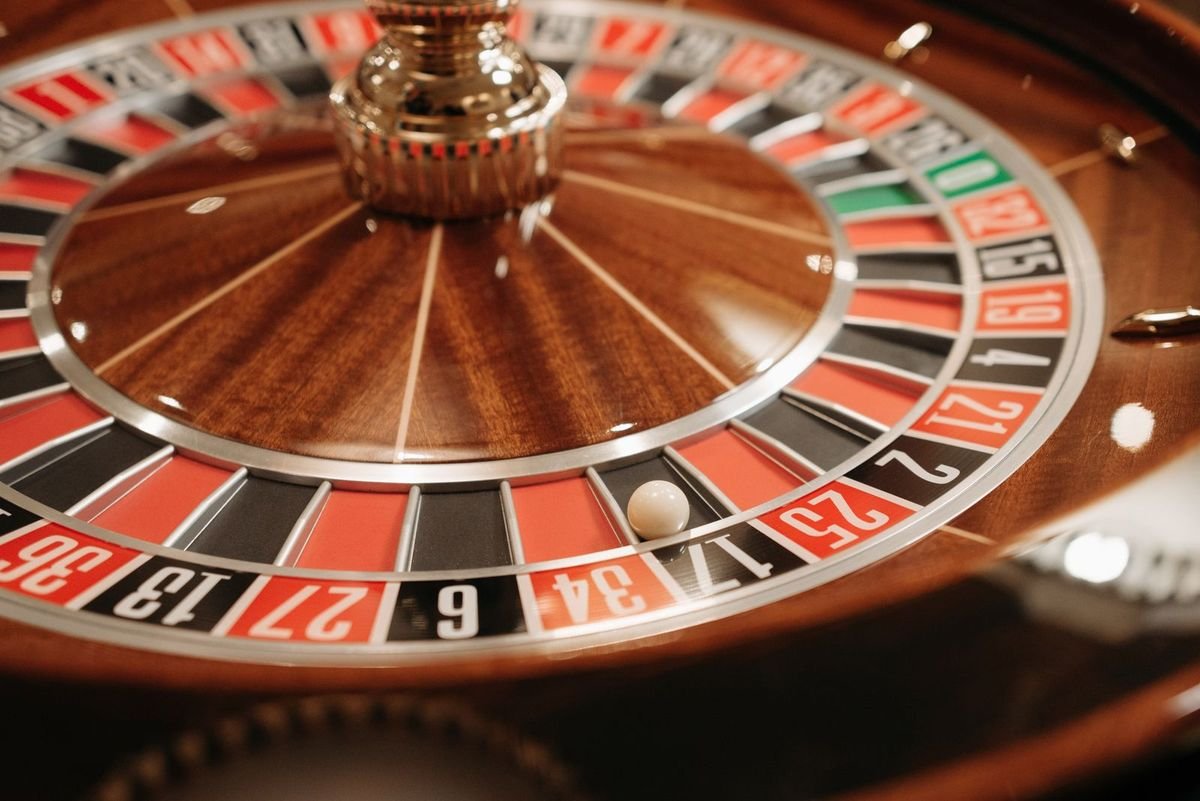
What is live roulette? That was the question in my head the first time I clicked into a live casino lobby and saw a real person standing at a real roulette table, smiling at a camera. I had played the animated version plenty of times — the computer-generated wheel, the little ball bouncing around a digital track — but this was something else. A real wheel, a real ball, a real dealer calling out the results, all streamed to my laptop in real time.
I will be honest: I was a little suspicious at first. Was it really live, or a clever recording? It took me a few sessions to understand how it all worked, and once I did, I realised why so many players prefer it. In this guide, I’ll explain how it all works.
Table of Contents
What Is Live Roulette? The Simple Definition
Let us start with the basics, because what is live roulette if not one of the simplest ideas in online gambling? It is roulette played online with a real human dealer, a real physical wheel, and a real ball, all filmed by cameras in a studio and streamed live to your screen. Instead of a computer deciding where the ball lands, you watch it happen in front of you, in real time.
The setup feels surprisingly close to sitting at a table in a land-based casino. You see the dealer spin the wheel and drop the ball, you place your bets by clicking on a digital layout over the video, and the dealer announces the winning number. What makes it different is the human element: the ball lands where physics puts it, and the game unfolds at a human pace.
How Is Live Roulette Different From Animated Roulette?
If you have only ever played the animated version, what is live roulette going to feel like by comparison? The short answer is: slower, more social, and more like the real thing. In an animated game, everything is driven by software. You click spin, the computer generates a result in a fraction of a second, and you can play a new round every few seconds.
Live roulette changes the rhythm entirely. Each round takes around a minute, sometimes more. The dealer has to wait for bets, spin the wheel, let the ball settle, call the result, and clear the table before the next round begins. You cannot rush it, which forces you to slow down and think about your bets. The atmosphere is different too: a live table has background chatter, the sound of the ball rattling around the wheel, and a dealer who might wish you good luck by name.
How the Live Stream and the Studio Actually Work
The first time I joined a live roulette table, I kept wondering where the dealer actually was. The answer is a professional studio, usually a large room fitted out to look like a high-end casino floor, with several roulette tables running at the same time. Each table has its own dealer, its own set of cameras, and a team of people working behind the scenes.
The technology is more clever than I expected. Several cameras film the table from different angles, including a close-up of the wheel and sometimes a slow-motion replay. The video reaches your device with only a couple of seconds of delay, while sensors in the wheel detect exactly which pocket the ball lands in so your winnings are calculated instantly. If you have ever asked what is live roulette behind the scenes, this is the answer: real people, real equipment, and a betting interface laid over the video. The dealer cannot see your individual bets — they just run the game — which is why the software handles all the payouts.
Meet the Dealer — and the Wheel
The dealer is the heart of the whole experience, and a good one makes all the difference. They spin the wheel, launch the ball, announce the results, and keep the game moving. They also chat with the players, congratulate winners, and keep the mood light. The best dealers I have come across are warm, funny, and genuinely good at their job — it is a skill, and you can tell when someone has been doing it for years.
The wheel itself is a real, physical roulette wheel, the same kind you would find in a land-based casino. The dealer launches the ball in the opposite direction to the spinning wheel. If you are curious about how the whole setup fits together, I have written more about how live dealer casinos work if you want the full picture.
How Betting Works: Inside Bets, Outside Bets and Timers
Betting works the same way as the classic game, but the timer adds a twist. Each round has a betting window — usually around 15 to 25 seconds — during which you place your chips on the digital layout. A countdown timer shows you how long is left, and when it hits zero, the dealer spins the wheel and no more bets are accepted.
Inside bets are wagers on specific numbers or small groups: a straight-up bet on one number, a split across two, a street covering three, a corner covering four, or a six-line covering six. A single number pays 35 to 1, but the odds of winning are low. Outside bets cover larger groups and pay less, but they win more often. Red or black, odd or even, and high or low all pay even money, while dozens and columns pay 2 to 1. If you are still learning what is live roulette,
Start with outside bets — smaller wins, but steadier ones. Table limits matter too: some tables welcome bets as low as 10p or 20p, while high-roller tables can have minimums of £25 or more.
European vs American vs French Live Roulette
The three main types are European, American, and French, and the key difference is the number of zero pockets on the wheel.
European roulette has a single zero, giving the house an edge of 2.7%. This is the version I play most often. American roulette adds a second zero, the double zero, which pushes the house edge up to 5.26%. Over a long session your money disappears almost twice as fast, so I would skip the American wheel.
French roulette is the interesting one. It uses the same single-zero wheel as European, but adds two player-friendly rules: La Partage and En Prison. With La Partage, an even-money bet on zero gets half your stake back; with En Prison, it is held over for the next spin. These rules cut the house edge on even-money bets to just 1.35%, making French roulette the best-value version of the game by a clear margin. My rule of thumb: French if you can find it, European if you cannot.
Popular Live Roulette Variants Worth Trying
Once you know the classic game, the lobby is full of variants — and if you are wondering what is live roulette like beyond the standard table, these are the ones to try first. The most famous is Lightning Roulette, where random numbers get multipliers of up to 500x before each spin. If you have bet on a struck number and it wins, the payout is multiplied. It is exciting, but the base payout for a straight-up bet is lower than in classic roulette — the multipliers make up for it.
Immersive Roulette is another favourite of mine. It uses multiple high-definition cameras, slow-motion replays of the ball landing, and close-ups that make you feel like you are standing right at the table. Speed Roulette is exactly what it sounds like: the same game, but each round lasts around 25 seconds instead of a minute. It suits experienced players, but I would not recommend it to a beginner — you barely have time to think.
Is Live Roulette Fair? Licensing and What to Check
This is the question that matters most, and the one I researched longest before trusting a live table with my money. Live roulette at a properly licensed casino is fair — but you have to check the licence, because not every site deserves your trust.
The first thing I look for is regulation. In the UK, that means the UK Gambling Commission, which licenses and supervises gambling operators and can take action against those that break the rules. Before I deposit anywhere, I check that the licence is real and current — it usually takes less than a minute on the regulator’s website.
Beyond the licence, the wheel and ball should be clearly visible on camera at all times, with no suspicious cuts in the stream, and the software should settle your bets instantly and correctly. Fairness does not mean you will win: roulette has a built-in house edge, so over time the casino keeps a small percentage of all money wagered. If something ever feels wrong, stop playing, take a screenshot, and contact support.
My Tips for First-Timers
If you are about to play live roulette for the first time, here is what I wish someone had told me about what is live roulette before my first session. Start with a low-minimum European table and a small bankroll that you are genuinely comfortable losing.
Watch a few rounds before you bet — most tables let you observe without placing a chip. Keep your bets simple at first: outside bets — red or black, odd or even — are the easiest way to learn, because you win often enough to stay in the game.
Set a limit before you start and stick to it: decide how much you are willing to spend and how long you will play. The live format is immersive and time passes quickly, so set an alarm on your phone. Finally, use the chat — the dealers are used to beginners and happy to explain things.
Common Mistakes to Avoid
I have made most of these mistakes myself. The first is chasing losses: you lose three spins in a row, double your bet to win it back, and suddenly you have lost five times what you started with. Roulette has no memory, and chasing losses is the fastest way to empty your balance.
The second mistake is believing in betting systems. You will come across systems that supposedly beat roulette — the Martingale, the Fibonacci sequence, the D’Alembert — but no betting pattern can change the odds of the wheel.
The third mistake is playing American roulette without realising it. The double zero nearly doubles the house edge. Check the wheel before you bet. The fourth is betting more than you can afford because the game feels relaxed. The game feels comfortable — you are at home, on your sofa — and that can make the money feel less real than it is. Keep your stakes small and never deposit money you need for something else. The last mistake is playing when you are tired or trying to win back money you have already lost. If you are not enjoying it, log off.
Frequently Asked Questions
What is live roulette?
What is live roulette? An online roulette game with a real dealer, a real wheel and a real ball, filmed in a studio and streamed live to your screen. You bet on a digital layout while watching the spin happen in real time.
Is live roulette really live, or is it recorded?
It is genuinely live, streamed with only a few seconds of delay. Type in the chat and the dealer will often answer you directly — a recording could never do that.
Can you win real money playing live roulette?
Yes, and winnings are paid out automatically. But roulette has a built-in house edge, so treat it as entertainment, not a way to make money.
What is the best version of live roulette for beginners?
European roulette is the best starting point: a single zero, a 2.7% house edge, and low minimums. French roulette is even better value thanks to La Partage, but its tables are less common.
How much money do you need to play live roulette?
Not much — many tables accept bets from as little as 10p or 20p per spin. Check the table limits first, as high-roller tables have much higher minimums.
Do you need to download anything to play live roulette?
No, most live casinos run entirely in your web browser. You just need a stable connection, because a slow one can make the live video freeze or lag.
Conclusion
So, what is live roulette? It is the closest thing to a real casino you can get without leaving your home: a real dealer, a real wheel, and a real ball, streamed live to your screen, with the comfort of playing from your sofa. It is slower than the animated game, more atmospheric, and — for me at least — a lot more fun.
If you are thinking of trying it, start small, pick a European or French table, and give yourself a few rounds to get used to the pace. Roulette is a game of chance — treat it as entertainment, relax, and enjoy the spin.
Gamble responsibly. 18+ only.


Post Comment