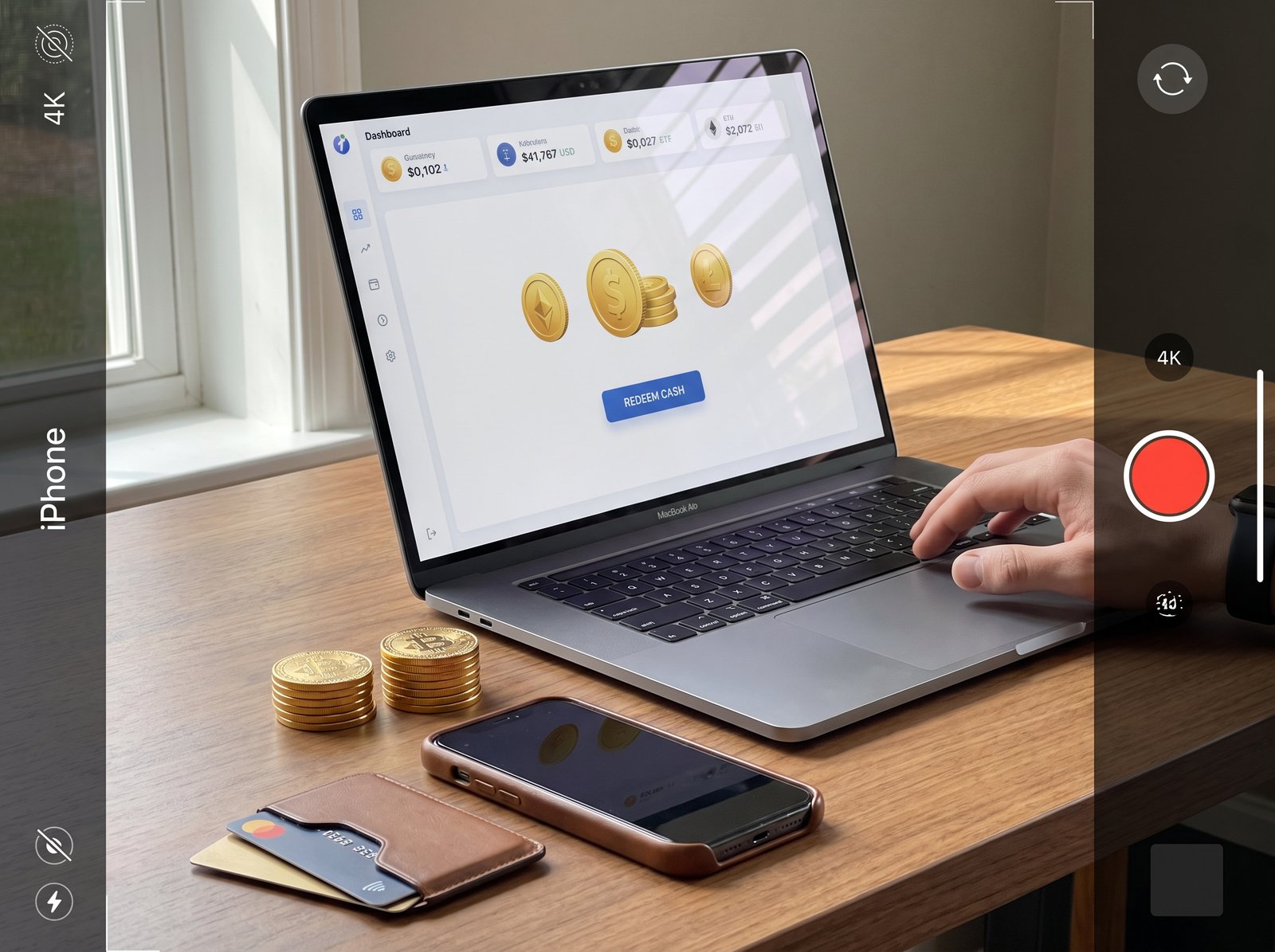
A few months ago, a friend of mine started watching casino streams on Twitch during his lunch breaks. Within a week he was convinced the streamer he followed had some secret winning strategy, because the guy seemed to hit bonuses constantly and never looked stressed about losses. That same week, my friend asked me the question I hear more than any other in this space: do online casino streamers play with real money? Honestly, the answer is a lot messier than most viewers expect, and I’ve spent enough time digging into this industry to give you the full, unfiltered picture.
I’ve watched hundreds of hours of casino streams by now, and I’ve read the leaked contract details, the public admissions, and the regulator reports sitting behind the scenes. What I found is that some streamers genuinely gamble their own cash, while others play with the casino’s money on a sponsored account. Whether you’re a regular viewer or just curious, understanding what happens behind those flashy bonus buys will change how you watch — so let’s break down the deals, the scandals, the rules, and the red flags.
Table of Contents
Do Online Casino Streamers Play With Real Money? The Short Answer
So do online casino streamers play with real money, or is the whole thing staged for entertainment? The honest short answer is: sometimes yes, sometimes no — and very often, a mix of both. A streamer might deposit their own money on Monday and play on a casino-funded balance on Friday under a sponsorship deal, and you’d never tell the difference just by watching the screen.
The biggest names in casino streaming almost always have a commercial relationship with the casino they’re playing at — a sponsored balance, a monthly retainer, or a revenue-share deal. That doesn’t mean every spin is fake, but the bankroll often comes from the casino itself. Smaller streamers, who lack the audience to attract sponsorships, are far more likely to be gambling their own deposits. Ironically, the unpolished streams most viewers trust least are often the most genuine. This is why the question do online casino streamers play with real money has such a complicated answer — it depends entirely on the deal behind the screen. Even the most successful casino streamers began as unknowns grinding their own deposits.
How Casino Streamer Sponsorships Actually Work
Let me walk you through the business side, because most viewers never see it. Casino-streamer deals usually take one of three forms. The first is a flat-fee sponsorship: the casino pays a fixed monthly amount for exclusive play over a set number of hours. The reason viewers keep asking, do online casino streamers play with real money, is that the money on screen never seems to run out. Media reports suggest top-tier streamers earn millions of dollars per year from these deals. In exchange, the streamer becomes a walking billboard — logo on screen, site name in the stream title, every spin free advertising.
The second is the affiliate or revenue-share deal. The streamer gets a unique sign-up link, and every viewer who registers and deposits through it earns the streamer a cut of the house edge — sometimes for years. This is why streamers push their links so hard: it’s recurring income tied directly to their audience’s losses, which is a dynamic worth thinking about.
The third is the funded balance: the casino loads the streamer’s account with credits to gamble with on stream, sometimes withdrawable, sometimes promotional credits that can’t be cashed out. Either way, the streamer isn’t risking their own rent money — and that’s exactly why people ask whether online casino streamers play with real money in the first place.
House-Funded Balances vs Real Money: The Key Difference
Here’s the distinction that matters. With a house-funded balance, the streamer is still spinning real games with real RNG outcomes — the slots aren’t rigged in their favor. But the money at risk isn’t theirs, and that changes everything. If someone handed you $50,000 in casino credits and said “go have fun on stream,” you’d bet bigger, buy more bonuses, and laugh off losses that would devastate a normal player. That’s what viewers see: reckless bet sizes, no emotion after five-figure losses, endless bonus buys. So do online casino streamers play with real money? With a house-funded balance, the spins are real but the financial risk isn’t.
This is why the question of whether online casino streamers play with real money has no simple yes-or-no answer. The games are real and the on-screen results are mathematically real, but the financial risk — the part that makes gambling gambling — is often missing. And that missing piece is what makes the content both entertaining and potentially misleading.
The Fake-Money Controversies That Shocked the Streaming World
The biggest bombshell came from Tyler “Trainwreckstv” Niknam, one of the most-watched casino streamers in the world. On a live broadcast, he openly admitted that the crypto casino sponsoring him had been providing his gambling balance — confirming what critics had suspected for years. For a lot of viewers, that admission changed everything.
Then there’s Roshtein, another giant of the scene, who has faced years of accusations of streaming with fake or casino-provided balances — impossibly long winning streaks, bet sizes that never dent his balance. He has consistently denied the claims, but the controversy has never fully gone away.
On the flip side, streamers like xQc have been remarkably open about losing enormous sums of their own money, once revealing he was down around $2.5 million in a single month. And when Drake began streaming massive blackjack sessions on Stake, reports pointed to a lucrative sponsorship behind the eye-watering wagers. If you’re still wondering do online casino streamers play with real money, the safest rule of thumb is this: the bigger the bets, the more likely the house is footing the bill.
Why Casinos Pay Streamers to Play
Why would a casino hand a streamer a fortune in credits just to gamble on camera? Because it works brilliantly as marketing. One popular stream puts a casino’s brand in front of hundreds of thousands of viewers for hours — exposure that would cost a fortune through traditional advertising, if it were even legal to buy. There’s also a trust factor money can’t easily replicate: when viewers watch a streamer they like hit a jackpot, the casino becomes the place where exciting things happen to familiar faces. It’s the same marketing machine that keeps the question do online casino streamers play with real money in circulation — the spectacle is the advertisement.
Then there’s the affiliate math. If a streamer with 50,000 concurrent viewers converts even a tiny fraction into depositing players, the lifetime value of those players can dwarf the sponsorship cost. So when you ask do online casino streamers play with real money, remember the casino funding the show has done the math — the streamer is an investment, and the viewers are the product being sold.
Regulators and Advertising Watchdogs Are Getting Involved
The authorities haven’t missed any of this. In the UK, the Advertising Standards Authority has repeatedly ruled against gambling promotions that blur the line between advertising and entertainment, and its codes require marketing to be obviously identifiable as such. A stream that looks like genuine gameplay but is actually a paid promotion sits right in the danger zone. This scrutiny is another reason the question do online casino streamers play with real money keeps surfacing — viewers deserve to know when they’re watching an ad.
The UK Gambling Commission has likewise tightened its stance, pushing licensed operators to take responsibility for marketing done on their behalf — including streamer partnerships — and to keep it away from under-18s. Twitch itself banned streams of unlicensed gambling sites like Stake, Rollbit, Duelbits, and Roobet back in October 2022, which pushed many casino streamers to Kick, a platform with close ties to the industry they promote. Regulators in the Netherlands and Sweden have fined or warned streamers and operators too. The free-for-all era is slowly being reined in.
How to Spot When a Streamer Isn’t Using Their Own Money
Over time I’ve built a reliable checklist for telling sponsored-balance play from genuine gambling. The next time you catch yourself wondering, do online casino streamers play with real money, watch for these signs:
- No deposits on camera, ever. Real gamblers deposit, withdraw, and complain about payment processing. If a balance magically refills between sessions with no deposit shown, that’s a red flag.
- Bet sizes that make no mathematical sense. Betting $500 a spin with no visible lifestyle to support it almost certainly means house money.
- Zero emotion on catastrophic losses. Real gamblers feel real pain losing big. Laughing off a $100,000 loss means the money probably wasn’t theirs.
- Endless bonus buys. Buying a $10,000 bonus twenty times in a row would bankrupt almost anyone — sponsored balances make it possible.
- No sponsorship disclosure. No disclosure at all? Ask yourself why.
No single sign proves anything, but when several line up, draw your own conclusions. And before signing up anywhere a streamer recommends, read our guide on how to tell if an online casino is legit — it could save you a costly mistake.
What This Means for Regular Players Like You and Me
Does it really matter whether online casino streamers play with real money? I’d argue yes, because millions of viewers use these streams as a reference point for their own gambling — and that’s where it gets dangerous. The biggest risk is bet-size distortion: watching someone casually bet $100 a spin normalizes those stakes, and your own $2 spins start feeling boring. But the streamer isn’t risking their mortgage — and you would be risking yours. Never copy a streamer’s bet sizing. That’s why the question do online casino streamers play with real money matters more than most viewers realize.
The second risk is the illusion of winning. Streamers show highlights — max wins, insane bonus rounds, celebration clips — while the long-term math stays invisible. Every slot has a built-in house edge, and no charisma changes that. A streamer’s results tell you nothing about what happens when you play the same game. My advice: treat casino streams like a cooking show — entertaining, sometimes informative, never a blueprint. The moment a stream makes winning look easy, close the tab.
Conclusion
So, do online casino streamers play with real money? Now you know the real answer: some do, some don’t, and many do a bit of both depending on the day and the deal. The biggest names are usually backed by sponsorships, funded balances, or affiliate revenue that completely changes the risk equation compared to what you experience as a regular player.
That doesn’t make every stream a scam — many streamers disclose their deals and genuinely love the games. But the smart viewer checks disclosures, spots the red flags, and never lets someone else’s sponsored session dictate their own spending. The house funds the show for a reason, and that reason is you.
Do casino streamers ever lose their own money?
Yes. Unsponsored streamers gamble their own deposits like regular players, and even sponsored ones sometimes play off-stream with personal funds. You can’t tell which is which by watching — only disclosures and the streamer’s own words offer a clue.
Are online casino streams rigged or scripted?
The games run on certified random number generators, so individual spins aren’t rigged for the streamer. What’s often “scripted” is the setup behind the stream — funded balances, sponsorship deals, and highlight editing that make winning look far more common than it is.
Do streamers get a better RTP than normal players?
No. Return-to-player is set by the game provider and the casino’s configuration, not by who’s playing. A streamer and a regular player on the same slot face identical math — the only difference is who funded the balance and how large the bets are.
Why do casino streamers always seem to win?
They don’t — you’re seeing survivorship bias. Streamers play thousands of spins across long sessions, buy expensive bonuses with funded balances, and clip the biggest wins for social media. Losing sessions get far less attention, creating the false impression that winning is normal.
Is it legal for streamers to promote online casinos?
It depends on the country and whether the casino is licensed there. In regulated markets like the UK, promotions must be clearly labeled as advertising and kept away from minors. Promoting unlicensed casinos can be illegal, and regulators have fined streamers and operators for exactly that.
Can I trust casino recommendations from streamers?
Take them with a heavy grain of salt. Most recommendations are tied to affiliate deals, meaning the streamer earns when you sign up and lose. Always research licensing, reputation, and payout practices yourself before depositing — a recommendation is marketing, not a guarantee.
Gamble responsibly. 18+ only.

Post Comment