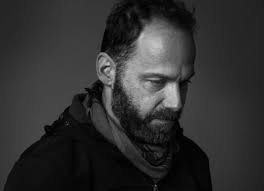
Thomas Krych: The Story Behind the London Photographer Who Makes News Feel Immediate
Thomas Krych is publicly presented as a London-based news and press photographer whose work covers Westminster, politics, breaking news, and major events in the UK and worldwide. His public profiles also connect him with AP, Anadolu Agency, Story Picture Agency, and ZUMA Press, while AP galleries from 2024 to 2026 show multiple images credited to Thomas Krych, confirming active and ongoing photojournalistic output.
What makes a photographer like Thomas Krych interesting is not only the public events he documents, but also the role his work plays in shaping how audiences experience those events. In modern journalism, a strong image can do more than accompany a story; it can define the emotional tone of that story, sharpen public understanding, and make a moment feel historically important. That is especially true in fast-moving political and civic coverage, where timing, framing, and visual clarity matter as much as technical skill. A photographer working in this space needs more than a camera. He needs judgment, speed, patience, and the ability to remain composed in high-pressure settings while still producing images that feel immediate, trustworthy, and human.
Thomas Krych’s public-facing identity fits that world well. The kind of coverage associated with his name suggests a photographer who is comfortable in crowded, high-stakes environments where every second matters. Westminster, political statements, demonstrations, court-related moments, and national events all require a steady eye and a disciplined approach. When people search for Thomas Krych, they are often looking for the person behind news photos that appear in major outlets or credited agency galleries. That search intent matters for SEO, but it also reflects something real: people are curious about the individual whose work helps them understand the day’s most important developments.
In a broader sense, Thomas Krych represents the value of professional visual reporting in an age when everyone carries a phone camera, but very few people can consistently deliver news images with editorial reliability. His work stands in the tradition of press photography that is less about posing and more about witnessing. That distinction matters. A press photographer does not just take pictures; he observes unfolding reality and converts it into a visual record that editors, readers, and newsrooms can use. When that work is done well, it becomes part of the public archive, something future readers may revisit to understand how a moment looked, felt, and moved.
One reason Thomas Krych continues to attract attention is that his name appears in reputable news contexts rather than only in personal self-promotion. AP galleries show photographs credited to him across several high-profile subjects, including political and cultural scenes, which demonstrates that his work is not confined to a niche audience. It reaches readers who follow global and national news, people who may never search specifically for a photographer but still encounter his images while reading about a major event. That kind of visibility is important because it shows how a press photographer’s reputation is built indirectly, through repeated trust by editors and repeated publication by established outlets.
Another part of Thomas Krych’s public image is the way his professional profiles position him as a working stringer and contributor within the broader news ecosystem. His X profile identifies him as a stringer for AP, Anadolu Agency, Story Picture Agency, and ZUMA Press, which suggests a flexible and widely used freelance workflow rather than a narrow one-outlet identity. His LinkedIn result also shows experience with The Associated Press. Together, those signals point to a photographer whose work is distributed across multiple channels and whose professional value lies in speed, coverage range, and dependable editorial standards.
That kind of career is not built on luck. It is built on consistency. A photographer covering news at this level must be ready for unpredictable schedules, long waiting periods, changing conditions, and the pressure of getting the decisive frame at the exact right time. In politics especially, moments can shift within seconds: a leader arrives, a speech begins, a crowd reacts, a protest line moves, or a courtroom scene changes tone. Photographers in this field need to anticipate movement before it happens. They also need to understand visual hierarchy, because the strongest news image often combines human expression, composition, and timing in one clean frame. Readers may not always think about that process, but it is what separates a usable press image from one that feels unforgettable.
There is also a storytelling dimension to Thomas Krych’s work. Press photography is not only about documentation; it is about selecting the instant that best represents the larger meaning of an event. A well-timed photograph can summarize tension, relief, celebration, conflict, or transition better than several paragraphs of text. That is one reason image-led journalism remains powerful even in a crowded digital media environment. People scroll quickly, and images are often the first thing they notice. A photographer who can make an audience pause is doing more than capturing light. He is creating a visual anchor that invites closer reading. In the case of news photography, that pause can be the difference between a fleeting headline and a story that feels real.
Thomas Krych’s visible association with Westminster and political coverage also gives his work a particular texture. Political photography is not only about leaders on podiums. It includes entrances, exits, gestures, reactions, backgrounds, and the architecture of power itself. The setting matters as much as the subject, because the image of a politician outside a government building tells a different story than the same person photographed in a studio. A skilled press photographer knows how to use context to add meaning without staging the scene. That ability is especially valuable in the UK political environment, where public appearances, state events, court proceedings, and diplomatic moments all generate immediate interest and often carry symbolic weight.
His public portfolio and AP credits also show the range that today’s press photographers are expected to maintain. A modern news photographer may move from political coverage to cultural events, from demonstrations to portrait-style editorial work, and from public meetings to breaking stories. That versatility is not a side skill. It is the core of a sustainable visual journalism career. Thomas Krych’s public footprint suggests exactly that kind of flexibility. His credited work in AP galleries covers a variety of subjects and moments, which implies both technical range and editorial trust. The ability to work across topics makes a photographer more valuable to newsrooms because it increases the chances that he can be assigned to the next urgent story without hesitation.
For readers interested in the search term “Thomas Krych,” that broader context matters because the keyword is not just a name. It represents a real working journalist whose images circulate in professional media channels. That means any article targeting the keyword should do more than repeat the name in awkward ways. It should explain why people care. It should answer the underlying intent: who is Thomas Krych, what does he do, why does his work appear in major news coverage, and why do his photographs matter? SEO performs best when it satisfies that intent naturally, and the best user experience comes when the content feels informative instead of stuffed with repetitive phrases. A strong article should make the subject understandable, credible, and memorable in one reading.
That is why the most effective way to write about Thomas Krych is to treat him as part of a larger story about visual journalism. In that story, the photographer is both observer and translator. He sees the event first, then helps the public interpret it through framing, focus, and timing. In an era when misinformation, speed, and overload can make news feel chaotic, trustworthy images are more valuable than ever. They provide evidence. They also provide emotion. A photograph can show scale, tension, or character in a single glance, and that is what makes strong press photography an essential part of modern media rather than a decorative extra.
If you are exploring Thomas Krych because you are interested in photojournalism, the lesson is simple: successful news photography is built on discipline, awareness, and a clear sense of purpose. The photographer must understand the story before the story is finished. He must know where to stand, when to wait, and when to press the shutter. He must also know when to stay invisible so the moment can remain authentic. That invisible skill is often what audiences admire most without realizing it. The image feels effortless, but the effort behind it is enormous. Thomas Krych’s public work suggests that he understands that balance well.
There is also a practical reason his name continues to show up in search results and news credits. News organizations rely on people who can deliver under pressure. When a photographer repeatedly appears in reputable editorial contexts, that creates a track record of reliability. Editors remember the person who can produce usable images in difficult conditions. Search engines also notice repeated association with relevant topics, location keywords, and publication credits. So from an SEO perspective, the Thomas Krych keyword has strong topical relevance around press photography, London, politics, breaking news, editorial imagery, and photojournalism. That means a well-written article can serve both human readers and search engines without sounding forced. The key is to focus on useful information, clean structure, and natural language.
A strong long-form article about Thomas Krych should also highlight the value of his professional identity in simple terms. He is not being searched for as a celebrity, influencer, or entertainment personality. He is being searched for because people want context around a working photographer whose images appear in public news coverage. That distinction matters for content strategy. The best blog post will therefore speak to readers who want a clear profile, a trustworthy summary of his work, and an explanation of why his photography matters. It should feel informed, not inflated. It should be respectful, not speculative. And it should present enough detail to satisfy curiosity without pretending to know private information that is not publicly verified.
For anyone studying how a modern press photographer builds relevance, Thomas Krych is a useful example. His work sits at the intersection of field reporting, editorial distribution, and visual storytelling. The public evidence points to someone active in major news environments, trusted by established agencies, and visibly connected to the daily rhythm of political and breaking-news coverage. That combination is what gives the keyword lasting value. It is not simply a name. It is a professional identity attached to real media output, real editorial distribution, and real public interest.
What makes that especially useful for readers is the reminder that photojournalism still shapes the way the world remembers current events. Long after a headline changes, the images remain. They become the visual memory of the story. A photographer like Thomas Krych contributes to that memory every time a frame is published, shared, or archived. That is why a good profile should not reduce him to a name alone. It should frame his work within the wider importance of press photography. The audience then leaves with a clearer understanding of what he does and why it matters.
If your goal is to follow Thomas Krych’s work more closely, the best next step is to visit his public portfolio and review his professional updates, because that is where his latest assignments and visual style are most visible. His official work page and public profiles are the clearest place to see how his photojournalism is presented today. For readers, journalists, and SEO-driven publishers alike, that direct connection to the source is valuable because it keeps the conversation grounded in current, public-facing information rather than speculation.
In the end, Thomas Krych stands out because his work captures the kind of moments people remember. Whether the subject is a political event, a public gathering, or a breaking-news scene, his photography contributes to the public record in a way that is both immediate and enduring. That is the power of good press photography: it tells the truth of a moment while also giving that moment shape and meaning. For readers searching this name, the story is bigger than one keyword. It is about the importance of seeing the world clearly, of documenting it carefully, and of recognizing the photographers who help turn real events into lasting visual history.
If you enjoyed learning about Thomas Krych and want more high-quality, search-friendly profiles like this, keep following this site for in-depth articles that are written to inform, engage, and convert readers into returning visitors.
Post Comment