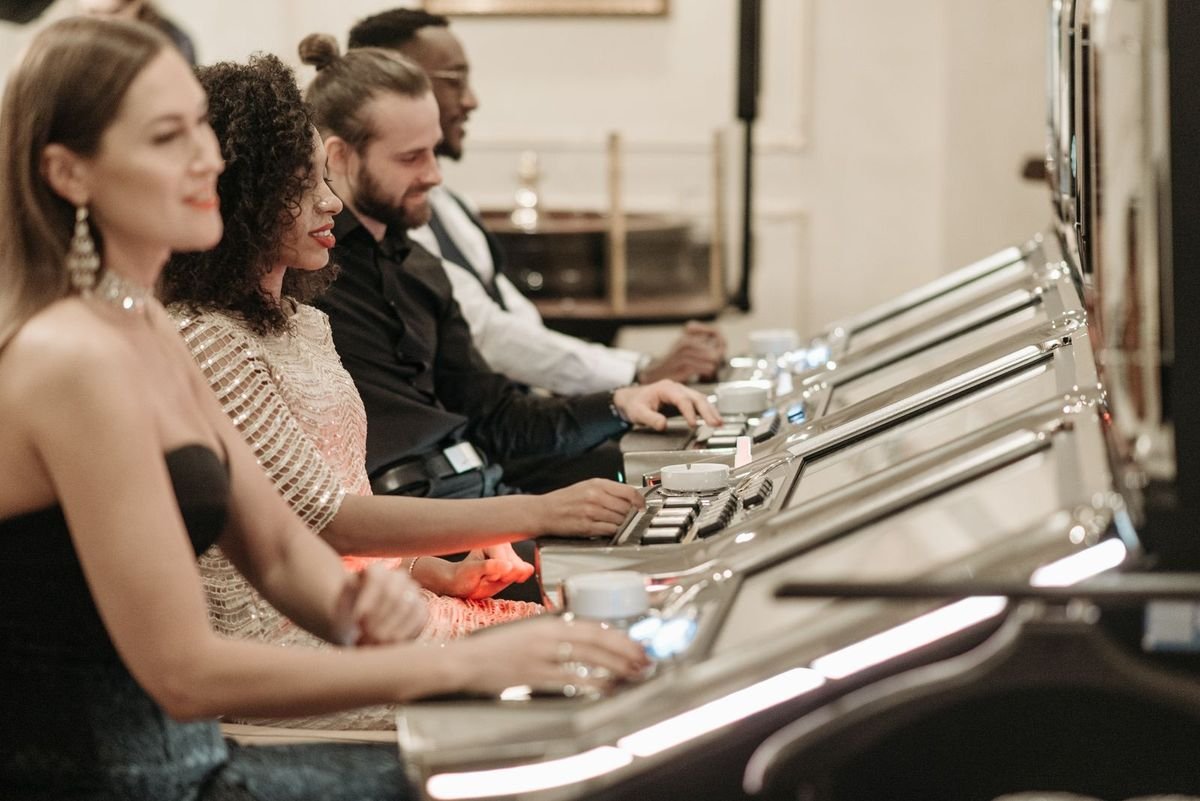
If you have ever walked into a British pub, ordered a drink, and spotted a bright, noisy cabinet glowing in the corner, you have probably wondered: what is a fruit machine, exactly? I had the same question the first time I saw one. It looked like a slot machine, it sounded like a slot machine, and yet everyone around me called it something different. It was not in a casino, there were no rows of identical machines, and the little cabinet seemed to have a personality of its own, with buttons for nudging reels, holding symbols, and chasing a feature board at the top.
In this guide, I want to answer that question properly, in plain English, without jargon and without pretending that a pub machine is the same thing as a Las Vegas slot or a modern online game. I will take you through where fruit machines came from, why they are covered in cherries and lemons, how they actually work, what all those extra buttons do, and how they fit into British gambling law today. They are not a way to make money, and they are certainly not a secret money-making system, no matter what someone at the bar tells you. They are entertainment, best enjoyed with a small budget, a drink in hand, and no expectation of winning.
Table of Contents
What Is a Fruit Machine in Plain English?
In the simplest terms, a fruit machine is the British name for a slot machine, usually found in a pub, club, or arcade rather than in a casino. You put in a coin or a note, press a button or pull a handle on the older models, the reels spin, and you win a prize if matching symbols land on a payline. The name comes from the symbols on the reels: cherries, lemons, oranges, plums, melons, and the famous BAR symbol. Those fruit pictures became so closely linked to the machines that the name stuck, and in Britain people still say fruit machine where an American would say slot machine.
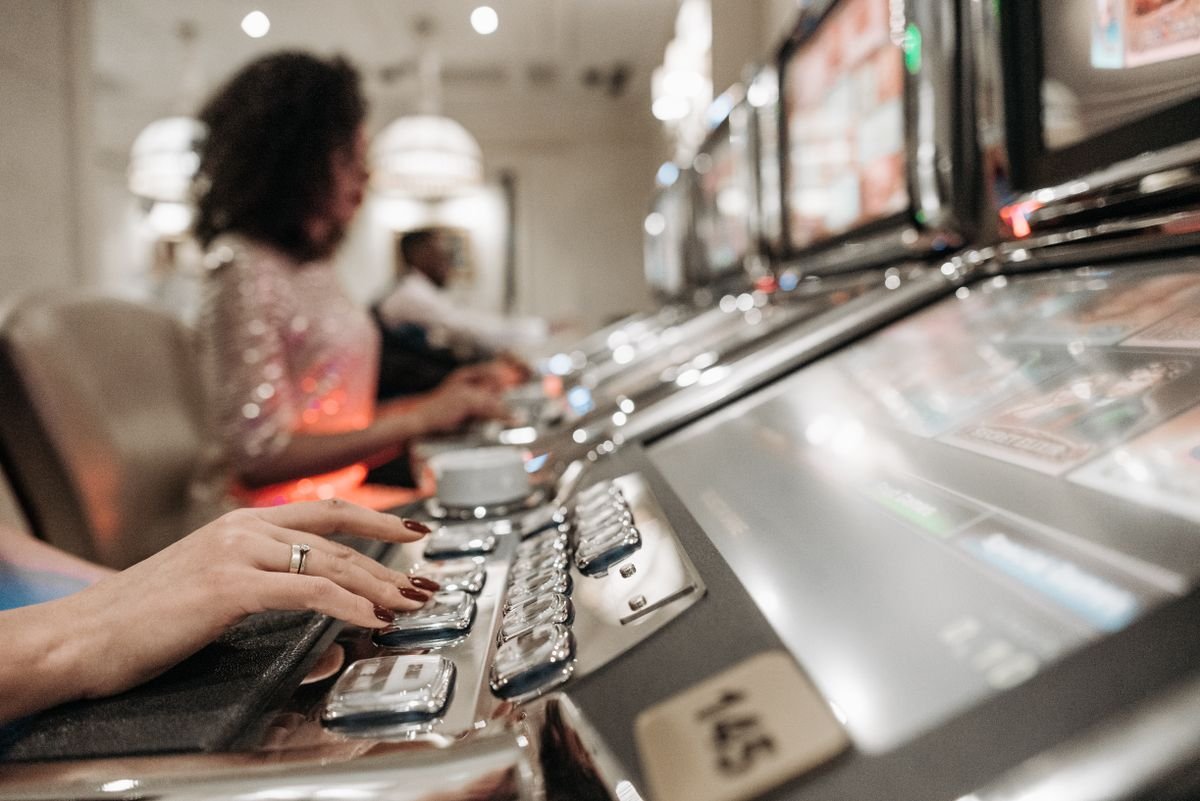
So, what is a fruit machine in practice? It is a compact, coin-operated game of chance with three or four reels, a small set of paylines, and a payout table that tells you what each combination is worth. Most of the ones you will see in a pub today take a modest stake, often 20p, 30p or 50p per spin, and pay out a prize that is capped by law at a relatively modest level compared with a casino slot. The cabinet usually has a brightly lit display, a trail or feature board at the top, and a row of buttons underneath the reels for features such as nudge, hold, and gamble.
What makes a fruit machine feel different from other slots is not just the setting, but the way it invites you to interact. On a typical video slot, you press spin and wait. On a classic fruit machine, you might be offered a hold after a spin, a nudge to move a reel by one step, or a chance to gamble a small win up the feature trail for a bigger prize. Those choices feel like skill, and they do add a little involvement, but the outcome is still decided by chance. I think that mix of simple luck and small decisions is a big part of why these machines have lasted so long in British pubs.
From the Liberty Bell to the British Pub: A Short History
To understand the fruit machine, it helps to go back to the late 19th century, when the first recognisable slot machines appeared in the United States. The most famous early machine was the Liberty Bell, built in San Francisco in the 1890s, with three reels, a lever on the side, and symbols including horseshoes, diamonds, spades, hearts, and a cracked Liberty Bell. It paid out in coins or in drinks and cigars, depending on where it stood, and it proved that a simple mechanical game could hold people’s attention for a long time.
From America, the idea spread to Britain, but it did not arrive unchanged. British pubs, clubs, and seaside arcades adopted the machines and gave them a local character. The cabinets became smaller and more decorative, the stakes stayed low, and the machines found a natural home beside the dartboard and the pool table. Over time, the fruit machine became a familiar part of pub life, as much a piece of furniture as the jukebox or the quiz machine, and generations of pub-goers grew up knowing how to nudge a reel or chase a feature.
That early history is part of the answer to what is a fruit machine today, because the British version kept the mechanical charm of the original while adding its own rules and traditions. The machines were never meant to compete with casino slots for big jackpots. They were meant to be a light, low-stakes amusement, something you could play with the change from a round of drinks. That low-stakes, social character is still at the heart of the game, even though the cabinets are now electronic rather than purely mechanical.
Why Fruit? The Story Behind the Symbols
One of the first things people notice about a fruit machine is the symbols, and the most common question after that is why fruit at all. The usual explanation, which historians generally accept in broad terms, is that fruit symbols were introduced to get around early gambling restrictions in the United States. When machines that paid out cash were restricted in some places, manufacturers began to present the machines as vending machines that dispensed fruit-flavoured chewing gum. A cherry might mean cherry gum, a lemon might mean lemon gum, and so on. Whether every machine was really used that way is hard to prove today, but the story fits the period, and the fruit pictures stayed.
The choice was also practical. Fruit symbols are bright, simple, and easy to tell apart at a glance. A cherry looks nothing like a lemon, a plum looks nothing like a bell, and a BAR symbol stands out from all of them. On a small, spinning reel, that clarity matters. You can see at once whether you have two cherries and need a third, or whether a bell has landed just above the payline. Over the years, the fruit theme became a kind of shorthand. Even as machines became electronic and could show any picture at all, many kept cherries, lemons, oranges, and plums, because that is what a fruit machine is supposed to look like in the minds of players.
How a Fruit Machine Works: Reels, Paylines and the RNG
If you ask what is a fruit machine under the glass, the answer is a game built around reels, symbols, and a random result. The older mechanical machines used real, physical reels with symbols printed around the edge. When you pulled the lever, a spring spun the reels, and they stopped one by one, held in place by a mechanical stop. The combination that landed on the central payline decided whether you won, and the payout was worked out from a table printed on the machine.
Modern fruit machines work differently inside, even though they look similar outside. Instead of a purely mechanical stop, they use a random number generator, usually called an RNG, which is a computer program that produces a long stream of random numbers. When you press spin, the machine takes the current number from that stream and uses it to decide where each reel will stop. The reels you see on the screen or behind the glass are, in effect, showing you the result that the RNG has already chosen. That is an important point, because it means the machine has no memory, no mood, and no sense of whether it is due to pay out.
The payline is the line across the reels where a winning combination has to land. Most classic fruit machines have a single central payline, although some have three or five. If the symbols line up on that line, you win the amount shown on the payout table. If they land one step above or below, you do not win, however close it looked. To learn more about the mechanics in general, it is worth reading a clear explainer of how slot machines work, which covers reels, paylines, and payout tables in more detail. For a deeper, maths-led look at the same ideas, the Wizard of Odds’ slot machine guide is a useful authoritative source.
The Classic Features: Nudge, Hold, Gamble and the Feature Board
What really sets a classic fruit machine apart is the set of features that appear after a spin, and these are the parts that new players find most confusing. The three most famous are nudge, hold, and gamble, and each one appears on the buttons below the reels, lighting up when it is available. Understanding them makes the game much more enjoyable, even if they do not change the basic fact that the result is random.
A nudge lets you move one reel down by a single step, usually one, two, or three times, in the hope of moving a winning symbol onto the payline. You might see two cherries on the line and a third cherry one step above, and the machine offers you a nudge to bring it down. It feels like a small victory when it works, and it is genuinely satisfying. A hold lets you freeze one or more reels in place for the next spin, while the other reels spin again. If you hold two matching symbols and spin the third reel, you have a better chance of completing the combination, although it is still not guaranteed.
The gamble feature is the riskiest of the three. After a small win, the machine may offer you the chance to gamble that win up a trail, sometimes called a feature board or a ladder, for a larger prize. You might move up step by step, with each step offering a bigger prize, until you reach the top or lose the win and fall back to nothing. It is exciting, and it is also where a lot of small wins disappear. My own approach is to treat the gamble as part of the fun, not as a strategy, and to accept the result either way. On many machines, the top of the cabinet also shows a trail of prizes and bonuses, and as you play you may collect steps that move you along it.
Fruit Machines vs Modern Video Slots vs Online Slots
The clearest way to see what is a fruit machine is to compare it with the other kinds of slot you are likely to meet. A modern video slot, the kind you find in a casino or an arcade, usually has five reels, many paylines, and a screen full of animated graphics, bonus rounds, and free spins. The themes can be anything from ancient Egypt to outer space, and the jackpots can be much larger than anything a pub machine offers. The game is faster, louder, and more visual, but the basic idea is the same: spin, match symbols, win a prize.
An online slot is a video slot that you play on a phone, tablet, or computer. It has the same five-reel layout and the same kind of bonus features, but you can play it anywhere, at any stake, and with hundreds or thousands of different themes to choose from. Online slots often have more paylines, more complex bonus games, and larger progressive jackpots, and they are regulated in a different way from a physical machine in a pub. They are convenient, and they offer a huge amount of choice, but they do not have the same social feeling as standing at a machine in a pub with friends watching.
A fruit machine is smaller, simpler, and slower than both of those. It usually has three or four reels, fewer paylines, a lower maximum stake, and a lower maximum prize. It also has the nudge, hold, and gamble features that video slots rarely offer in the same form. I think of it as the difference between a quick game of darts and a full game of snooker: both are enjoyable, both need a little luck, but they are played at a different pace and in a different setting. If you like bright graphics and big bonus rounds, you will probably prefer a video or online slot. If you like a simple, familiar game with a bit of interaction, you will probably enjoy a fruit machine.
UK Machine Categories, Stakes and Prizes in General Terms
In the United Kingdom, gaming machines are divided into categories, and the category decides where a machine can be placed, how much you can stake, and how much you can win. The rules are set by the Gambling Commission, and they are updated from time to time, so the exact figures can change. I am not going to quote precise current limits here, because they are the kind of detail that can go out of date, but I can describe the system in general terms so you know what to look for.
Part of knowing what is a fruit machine in Britain is knowing that most pub machines fall into a lower category, often called Category C, which is designed for low-stakes play in pubs and clubs. These machines have a modest maximum stake and a modest maximum prize, which is why you will not see a pub fruit machine offering a life-changing jackpot. Higher categories, which you will find in casinos, arcades, and betting shops, allow larger stakes and larger prizes, and they are subject to stricter controls on where they can be placed and who can play them.
The category of a machine is usually shown on a small notice on the cabinet, along with the maximum stake and the maximum prize. It is worth checking that notice before you play, so you know what you are playing for. The machine should also show its payout percentage, often called the return to player, or RTP, which is the approximate share of money staked that the machine is designed to pay back over a long period. That figure is a long-term average, not a promise for a single session.
The Famous Symbols: Cherries, Lemons, Bells and BAR
Every fruit machine player has a favourite symbol, and the classic set has barely changed in a hundred years. Cherries are usually the most common symbol, and two cherries on a payline often pay a small prize, even if the third reel does not match. Lemons, oranges, and plums sit in the middle of the payout table, paying a little more than cherries but less than the rarer symbols. Melons and grapes, when they appear, are usually worth more, and the bell is often one of the highest-paying regular symbols.
The BAR symbol is a special case. It comes from the early American machines, where BAR was the logo of the Bell-Fruit Gum Company, one of the companies that made fruit-flavoured gum for the machines I mentioned earlier. Over time, BAR became a symbol in its own right, and on many machines a line of three BAR symbols pays one of the largest prizes, second only to the jackpot. The seven, when it appears, is often the jackpot symbol, and three sevens on a payline can be the biggest win on the machine. The payout table on the cabinet tells you exactly what each combination is worth, and it is worth reading before you play.
Tips for Playing a Fruit Machine in a Pub
If you decide to play a fruit machine in a pub, a few simple tips will help you enjoy it more and spend less than you intended. The first is to set a budget before you start, and to stick to it. I usually decide how much I am happy to spend, often the price of a drink or two, and I treat that money as the cost of the entertainment. When it is gone, I stop, whether I have won or lost. That simple rule is the most useful piece of advice I can give.
The second tip is to read the payout table and the feature board before you put any money in. Take a minute to see what the symbols pay, what the maximum prize is, and how the nudge, hold, and gamble features work on that particular machine. Every machine is a little different, and a minute spent reading the instructions can save you a lot of confusion later. It will also help you recognise when a feature is available, because the buttons light up and the machine makes a sound, but it is easy to miss them if you are not looking.
Before you put a coin in, remember what is a fruit machine for: a short break, a bit of fun, and a social game to play with friends. It is not a way to win back money you have lost, it is not a system you can beat, and it is not a good place to chase a loss. If you find yourself putting in more money to try to win back what you have lost, that is a sign to stop and have a drink instead. The machine will still be there next time, and the game is much more fun when you are playing with money you can afford to lose.
Common Myths About Fruit Machines
One myth comes from misunderstanding what is a fruit machine and how its random result is chosen. People often say that a machine is due to pay out because it has not paid for a long time, or that it is hot after a big win, or cold after a losing streak. None of that is true for a modern machine with an RNG. Each spin is independent, which means the machine does not remember what happened on the previous spin, and it does not build up to a win. A machine that has just paid a jackpot is just as likely to pay again on the next spin as a machine that has not paid for an hour.
Another common myth is that you can beat a fruit machine by using a system, such as always nudging, always holding, or always gambling. The nudge and hold features do give you a small choice, and they can make the game more interesting, but they do not change the overall odds in your favour. The machine is designed to pay back a certain share of the money staked over a long period, and no pattern of button presses can change that. If someone offers to sell you a system for beating fruit machines, you can be confident that the only person who will make money from it is the person selling the system.
A third myth is that machines in pubs are rigged, or that the landlord can press a button to make the machine pay out or to stop it paying. That is not how regulated machines work in Britain. The machines are tested, the payout percentage is set by the manufacturer, and the landlord cannot change the result of a spin. What the landlord can do is choose which machine to place in the pub and where to put it, but the game itself is controlled by the machine and by the regulations that apply to it.
Do Fruit Machines Still Exist Today?
Asking what is a fruit machine today gets a slightly different answer from the one you would have heard twenty or thirty years ago. The classic mechanical fruit machine, with real reels and a lever, is now rare, and most of the machines you will see in a pub are electronic, with a screen or a set of electronic reels and a computer inside. The look has changed, the sound has changed, and the games have become a little more complex, but the basic idea is still the same.
Fruit machines are still very much a part of British pub culture, although they are less common than they once were. Some pubs have removed them, some have replaced them with quiz machines or digital jukeboxes, and some still have one tucked away in a corner. Arcades, seaside piers, and clubs still have them in larger numbers, and new machines are still being made, often with a mix of classic fruit symbols and modern video features. The online world has not replaced them, because the appeal of a fruit machine is not just the game, but the setting: the pub, the friends, and the small ritual of putting in a coin and pressing a button.
Is a fruit machine the same as a slot machine?
Yes, in Britain the two terms mean the same kind of game. A fruit machine is the British name for a slot machine, usually a smaller, lower-stakes machine found in pubs and clubs, while slot machine is the more general term used in America and in casinos. The reels, symbols, and basic idea are the same.
How much can you win on a fruit machine in a pub?
The maximum prize depends on the category of the machine, and pub machines have a modest cap set by British gambling law. The exact limit can change, so check the notice on the cabinet for the current maximum stake and prize. Most pub machines pay a prize that is enough for a pleasant surprise, not a life-changing sum.
Are fruit machines rigged?
No, regulated fruit machines in Britain are not rigged in the sense of being fixed against a particular player. They use a random number generator to decide each spin, and they are designed to return an approximate share of the money staked over a long period. Each spin is independent, and no one can predict or control the result.
What does nudge mean on a fruit machine?
Nudge is a feature that lets you move a reel down by one step, usually a limited number of times, to try to bring a winning symbol onto the payline. It is offered after some spins, when a nudge could complete a winning combination. It adds a little interaction, but it does not guarantee a win.
Can you play fruit machines online?
Yes, you can play online slots with fruit themes, and many of them use the same cherries, lemons, and BAR symbols. They are not the same as a physical pub machine, because they do not have the same nudge, hold, and gamble features in the same form, and they are played on a screen rather than at a cabinet. They can be a good way to enjoy the theme, but the pub experience is different.
Conclusion
In the end, what is a fruit machine? It is the classic British slot machine, a small cabinet in a pub or arcade, covered in fruit symbols, with reels, a payline, and a set of features that invite you to nudge, hold, and gamble. It comes from the Liberty Bell and the early American slots, it kept its fruit pictures for reasons that mix history and practical design, and it has survived into the electronic age because it is simple, social, and fun to play.
I hope this guide has answered your question and given you the confidence to walk up to a machine, read its payout table, and understand what is happening when the reels spin. Treat it as entertainment, set a budget you are happy with, enjoy the features for what they are, and do not expect to beat the machine. If you do that, a fruit machine can be a pleasant part of a night out, a small piece of British culture that has lasted for more than a century.
Gamble responsibly. 18+ only.

Post Comment